
Understanding the Value of Vintage Film Equipment
Determining how much are old movie projectors worth depends heavily on the specific brand, model, and functional condition of the unit. While common 8mm projectors from the 1960s often sell for $50 to $150, rare professional-grade 16mm or 35mm equipment can reach $500 to over $2,000 to serious collectors or film enthusiasts. Factors such as the presence of original lenses, the type of light source, and whether the internal motor still runs are critical variables that dictate the final resale value.
TL;DR: Quick Value Assessment
- Mass-market 8mm/Super 8: Generally $30–$100. High supply, low demand.
- Professional 16mm (e.g., Bell & Howell): Usually $200–$600. Highly sought after for home cinema projection.
- Rare/Antique 35mm or Hand-Crank models: $500–$2,500+. Valued as decorative display pieces or historical artifacts.
- Key Value Driver: A projector that is “serviced and running” is worth significantly more than one sold “as-is” or “for parts.”
Identifying Your Projector Model
The first step in discovering how much are old movie projectors worth is accurate identification. Do not guess; look for the manufacturer’s nameplate, usually found on the back or bottom of the chassis.
- Check the Brand: Names like Bell & Howell, Kodak, Paillard Bolex, and Eiki hold more resale value than generic “department store” brands.
- Examine the Format: Identifying whether it handles 8mm, Super 8, or 16mm film is essential. 16mm units are almost always more valuable due to their professional usage history.
- Look for Serial Numbers: High-end collectors often use serial numbers to verify the manufacturing year, which can add historical premium to the price.
Factors That Influence Market Price
When you list your item, buyers will immediately assess certain physical and technical traits. Being transparent about these conditions helps set a realistic expectation for the final sale price.
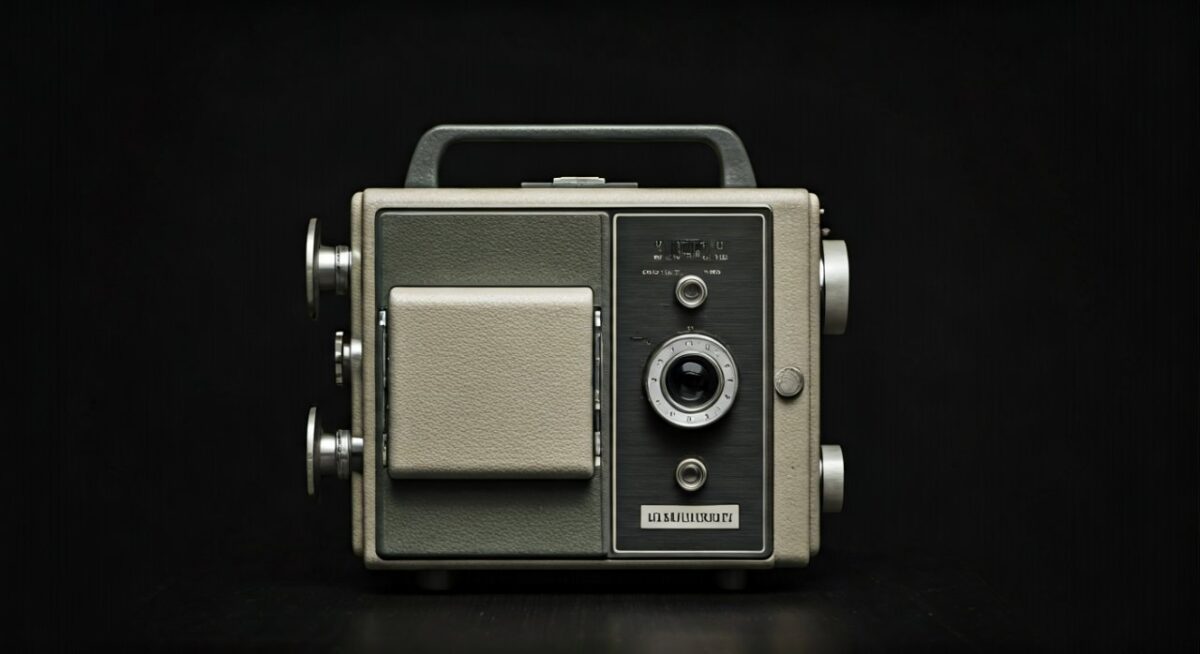
The “Running” Condition
A projector that lights up and advances film smoothly is worth double or triple an un-tested unit. If the belt is snapped or the lamp is dead, expect a price reduction.
Included Accessories
- Original Lens: An anamorphic lens or high-quality prime lens can be worth more than the projector body itself.
- Take-up Reels: Finding original matching metal reels is a major plus.
- Case and Manuals: Original hard-shell carrying cases and physical instruction manuals significantly improve collectability.
| Feature Type | High-Value Indicator | Low-Value Indicator |
|---|---|---|
| Mechanical | Smooth motor, quiet operation | Seized motor, loud rattling |
| Optics | Clear glass, no fungus/scratches | Cracked lens, heavy haze |
| Lamp | Original bulb turns on | Missing bulb, frayed wiring |
| Body | Minimal rust, clean paint | Heavy corrosion, dented metal |
Where to Research Current Market Rates
To accurately gauge how much are old movie projectors worth today, avoid general price guides which are often outdated. Use live marketplace data instead.
- eBay “Sold” Listings: This is the gold standard. Search your model, then filter by “Sold Items” to see what people actually paid, not what sellers are asking.
- Specialized Film Forums: Websites like Cinematography.com or Facebook groups dedicated to vintage film are excellent for finding niche buyers who value specific technical attributes.
- Auction Houses: For extremely rare antique projectors (pre-1940), check results from specialized camera and cinema auction houses to see if your item has historical significance.
Practical Steps to Maximize Your Sale Price
Once you know the potential value, your presentation matters. High-quality listings often command top-tier pricing compared to poorly described auctions.
- Clean the Unit: Use compressed air to blow out dust and a soft cloth for the exterior. Do not use harsh chemicals on vintage paint.
- Take Detailed Photos: Include shots of the lens, the power cord condition, the internal film path, and any serial number plates.
- Provide Video Proof: If possible, upload a short video showing the motor running and the light turning on. This provides immense confidence to the buyer.
- Be Honest about Flaws: If the lamp is burnt out, state it clearly. It prevents returns and builds trust with serious collectors.
Frequently Asked Questions
Is it worth fixing an old projector before selling?
Usually, no. Unless you are a professional technician, the cost of parts and your labor time often exceed the increase in resale value. Sell it as-is and be transparent about its condition.
Do 8mm projectors have any value today?
Yes, but they are primarily bought by hobbyists who want to view home movies. Their value is generally lower compared to 16mm units, which are still used for artistic film screenings.
Does the “Vintage Look” affect the price?
Yes. Collectors often pay a premium for projectors that are in excellent aesthetic condition, even if they aren’t used for daily projection. They are popular as industrial-style home décor.
How should I ship a heavy movie projector safely?
Use a “double-box” method. Wrap the projector in several layers of bubble wrap, place it in a box, and then place that box inside a larger box filled with packing peanuts. Projectors are heavy and delicate; standard shipping can easily damage internal components.