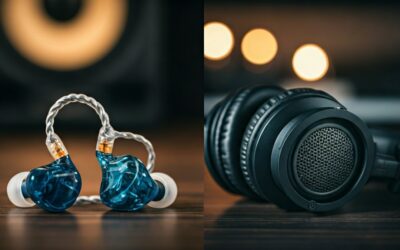

To burn in headphones, you should play a continuous loop of diverse audio—such as pink noise, frequency sweeps, or your personal music library—at a moderate volume for approximately 40 to 100 hours. This process allows the mechanical parts of the headphone drivers, specifically the diaphragm and suspension, to reach their intended flexibility and optimal acoustic performance.
Key Takeaways for Burning In Your Audio Gear
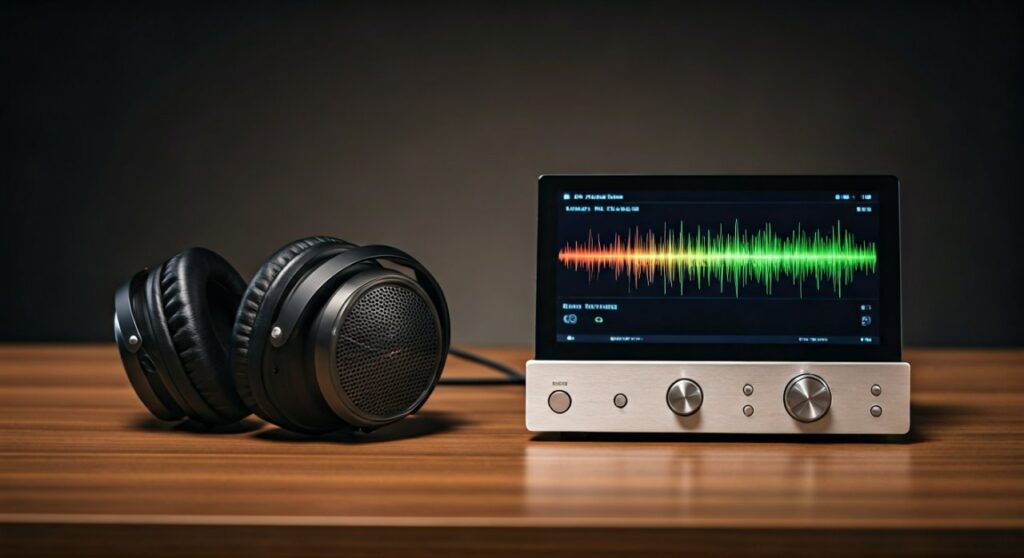
If you are looking for a quick summary of the process, refer to the table and list below to get started immediately.
| Feature | Recommended Setting/Action | Why It Matters |
|---|---|---|
| Duration | 40 – 100 Hours | Allows mechanical parts to “settle” and lose stiffness. |
| Volume Level | Moderate (Normal listening level) | Prevents permanent damage to the delicate voice coils. |
| Audio Type | Pink Noise or Music | Provides a full spectrum of frequencies to exercise the driver. |
| Rest Periods | 1 hour rest every 4-8 hours | Prevents heat buildup in the driver assembly. |
| Driver Type | Dynamic, Planar, or Electrostatic | Each reacts differently to the mechanical “break-in” period. |
- Be Patient: The most significant changes usually occur within the first 20 hours.
- Safety First: Never use “maximum volume” to speed up the process; you risk tearing the diaphragm.
- Natural Method: You can simply listen to your headphones normally, and they will naturally burn in over a few weeks.
What Exactly is Headphone Burn-In?
Headphone burn-in is the theory that new audio equipment requires a “break-in” period to reach its peak sonic potential. Much like a new pair of leather shoes needs walking to become flexible, the moving parts of a headphone driver need to move to reach their design specifications.
Most high-end headphones utilize dynamic drivers. These consist of a diaphragm, a voice coil, and a suspension (surround) system. When these components leave the factory, the materials can be slightly stiff or “tight.”
By playing audio through them, you are physically exercising the suspension. As the material becomes more compliant, the driver can move more freely. Many audiophiles report that how to burn in headphones correctly leads to a smoother treble response and more authoritative, controlled bass.
Does Science Support the Burn-In Theory?
The debate over whether burn-in is “real” or “placebo” has raged in the audiophile community for decades. From an engineering standpoint, the Thiele/Small parameters of a speaker driver do change slightly after initial use.
Measurements taken by experts like Tyll Hertsens (formerly of InnerFidelity) on the AKG Q701 showed measurable, albeit minute, changes in frequency response after burn-in. While the objective data shows small shifts, the subjective experience is often more dramatic.
This is partly due to “Brain Burn-in.” As you listen to a new pair of headphones, your brain adjusts to the new sound signature. However, for high-performance gear like Sennheiser, Focal, or Hifiman products, the mechanical break-in remains a standard recommendation by many manufacturers.
Step-by-Step Guide: How to Burn In Headphones Properly
If you have just unboxed a premium pair of cans, follow these specific steps to ensure you are breaking them in safely and effectively.
Step 1: Choose Your Audio Source
You don’t need expensive software. You can use specialized burn-in files, YouTube loops, or simply a high-quality music playlist.
- Pink Noise: This is the gold standard because it has equal energy per octave, exercising all frequencies from 20Hz to 20kHz equally.
- White Noise: Contains all frequencies but can be “harsh” on the high end; use with caution.
- Frequency Sweeps: These slide from the lowest bass to the highest treble, ensuring no part of the spectrum is missed.
- Music: A diverse playlist including classical, electronic, and rock provides real-world mechanical stress.
Step 2: Set the Correct Volume
One of the biggest mistakes people make when asking how do you burn in headphones is cranking the volume.
Set the volume to a moderate listening level. It should be loud enough that you can hear the details clearly, but not so loud that it would be uncomfortable to wear. Excessive volume can cause the voice coil to overheat or the diaphragm to over-extend and crack.
Step 3: Establish a “Work-Rest” Cycle
Do not run your headphones for 100 hours straight without a break. Heat is the enemy of electronic components.
I recommend a cycle of 4 hours of playback followed by 30 minutes of silence. This allows the materials to cool down and “set” into their new, more flexible state. If you are using a smartphone or a Digital Audio Player (DAP), ensure it is plugged into a power source.
Step 4: Monitor the Progress
Listen to the headphones for 15 minutes every 20 hours. Note if the “graininess” in the highs has subsided or if the bass feels more “impactful.”
Once you reach the 80-100 hour mark, most headphones will have reached a point of diminishing returns. Any further changes will likely be the result of your ears adapting rather than the hardware changing.
Comparing Burn-in Audio Types
Not all noise is created equal. Choosing the right signal can affect how efficiently you exercise the driver.
| Audio Type | Pros | Cons |
|---|---|---|
| Pink Noise | Perfectly balanced for human hearing; safe. | Can be annoying if you are in the same room. |
| White Noise | Covers the entire spectrum. | High energy in treble can be risky for some tweeters. |
| Music (Lossless) | Realistic mechanical movement; fun to hear the change. | Takes longer to cover every specific frequency. |
| Radio Static | Easy to find on old receivers. | Unpredictable frequency peaks; not recommended. |
Burn-in Requirements by Driver Type
Different technologies require different approaches. Knowing your driver type is crucial.
Dynamic Drivers
These are the most common (e.g., Sennheiser HD650, Sony WH-1000XM5). They use a physical cone and suspension. These benefit the most from a traditional 40-50 hour burn-in because the rubber or polymer “surround” needs to loosen up.
Planar Magnetic Drivers
Found in brands like Audeze and Hifiman. These use a thin film suspended in a magnetic field. While some claim they don’t need burn-in, many owners report the “tension” of the film stabilizes after about 70-100 hours, leading to better soundstage imaging.
Electrostatic Drivers
Used in ultra-high-end gear like STAX. These use static electricity to move a film that is thinner than a human hair. Burn-in for these is less about mechanical loosening and more about “charging” the diaphragm and stabilizing the high-voltage internal components.
The Role of “Brain Burn-in”
It is vital to mention psychoacoustics. When you switch from a “bass-heavy” headphone to a “neutral” studio monitor, the new pair will initially sound thin or “boring.”
After 20 hours of listening, your brain performs a calibration. This is why many experts suggest that “Natural Burn-in” (just listening to music) is the best method. It allows your gear and your brain to “break in” simultaneously.
If you are a professional mixing engineer, I recommend “Passive Burn-in” (playing noise overnight) so that when you sit down to work, the gear is already performing at its objective baseline.
Common Myths and Mistakes to Avoid
In the world of high-end audio, there is plenty of misinformation. Avoid these pitfalls:
- Myth: You need special “magic” files. You don’t. Any high-quality, full-spectrum audio will work.
- Mistake: Burning in at high volume. This is the fastest way to ruin a $500 investment.
- Mistake: Forgetting about the Amp/DAC. If you have new source gear, the capacitors in those devices also need time to reach thermal stability.
Expert Perspective: Is it Worth the Effort?
As someone who has tested hundreds of pairs of headphones, from Koss Portapros to Focal Utopias, my stance is pragmatic.
For consumer Bluetooth headphones, don’t bother. The internal DSP (Digital Signal Processing) does more to shape the sound than the mechanical flexibility of the driver.
For Audiophile Open-Back headphones, it is worth it. If you find your new headphones sound “shouty” or “harsh” in the upper-mids, a solid 50-hour burn-in session often rounds off those sharp edges. It ensures that when you begin your critical listening, you are hearing the product as the manufacturer intended.
Frequently Asked Questions
Can burn-in damage my headphones?
Yes, but only if you use excessive volume. If you keep the volume at a level you would normally listen to, there is zero risk of damage. The goal is to move the diaphragm, not to stress it to the breaking point.
Do I need to burn in my IEMs (In-Ear Monitors)?
IEMs with Balanced Armature (BA) drivers generally do not require burn-in because they don’t rely on a flexible suspension in the same way dynamic drivers do. However, hybrid IEMs with a Dynamic Driver for bass will still benefit from the process.
Is there a specific app for headphone burn-in?
There are many apps on the iOS and Android stores titled “Burn-in Tool” or “Audio Bench.” These are convenient because they automate the Pink Noise and Rest Cycle process, but they are not strictly necessary.
How do I know if the burn-in is finished?
You will notice the sound signature becomes “consistent.” If you stop noticing changes in the bass texture or treble clarity between listening sessions, the drivers have likely settled.
Should I burn in my cables?
This is a highly controversial topic in the audiophile world. While some claim that “cable cooking” improves conductivity, there is little scientific evidence to support this. Focus your efforts on the transducers (the headphones themselves) first.