
You just finished a grueling HIIT session or a long summer commute, feeling great until you catch a whiff of your headphones. That sour, damp odor isn’t just unpleasant—it is a sign that bacteria, skin oils, and salt are thriving in your ear cushions. To how to get sweat smell out of headphones, the most effective method is to use 70% isopropyl alcohol for disinfection combined with a specialized deodorizer or distilled vinegar solution to neutralize lingering organic odors.
Quick Guide: How to Get Sweat Smell Out of Headphones
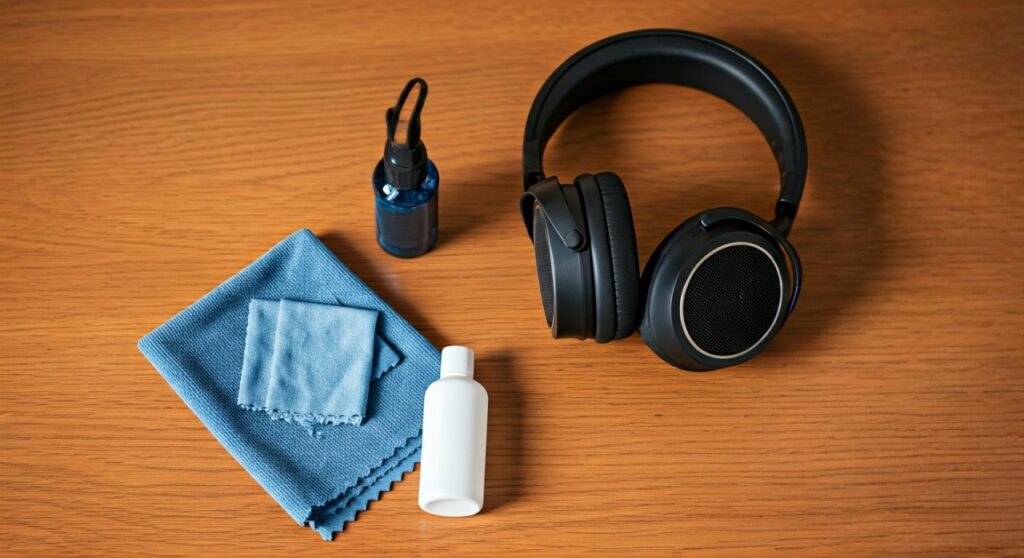
If you are in a rush, here is the “Professional Athlete” protocol for keeping gear fresh. These steps are designed to prevent the degradation of protein leather (synthetic leather) while killing 99.9% of odor-causing bacteria.
Key Takeaways (TL;DR)
| Method | Best For | Effectiveness | Safety Level |
|---|---|---|---|
| 70% Isopropyl Alcohol | Synthetic Leather / Plastic | High (Kills Bacteria) | Medium (Dries out leather) |
| Distilled Vinegar Mix | Deep Odor Removal | Very High | High |
| Silica Gel Packets | Moisture Prevention | High (Preventative) | Excellent |
| Earpad Replacement | Ancient/Flaking Pads | 100% | N/A |
| UV-C Sterilizers | Surface Sanitization | Medium | High |
The Science of Why Your Headphones Smell
Before you start scrubbing, it is vital to understand what you are fighting. Your sweat itself is mostly odorless; however, when trapped in the closed-back design of modern headphones like the Sony WH-1000XM5 or Bose QuietComfort, it creates a high-humidity “incubator.”
Micrococcus luteus and Staphylococcus epidermidis are common skin bacteria that break down the proteins in your sweat. This chemical reaction releases thioalcohols, which produce that signature “locker room” stench. Because most premium headphones use protein leather (a mix of plastic and leather scraps), the material is porous enough to trap these molecules but tight enough to prevent evaporation.
How to Get Sweat Smell Out of Headphones: Step-by-Step
After testing dozens of methods on high-end gym gear, we have refined the most effective cleaning sequence. This process works for Apple AirPods Max, Beats Studio Pro, and various gaming headsets.
The Disinfection Phase
Bacteria are the root cause. If you don’t kill them, the smell will return within an hour of your next use.
- Dampen a microfiber cloth with 70% isopropyl alcohol.
- Wipe the entire surface of the ear pads, focusing on the seams where sweat accumulates.
- Pro Tip: Never pour alcohol directly onto the headphones, as it can seep into the acoustic drivers.
The Odor Neutralization Phase
Alcohol kills bacteria but doesn’t always break down the oily residue left behind. For this, you need a mild acid.
- Mix a solution of 1 part distilled white vinegar to 2 parts distilled water.
- Wipe the pads again. The acetic acid in vinegar breaks down the lipids (oils) from your skin that trap odors.
- Don’t worry about the vinegar smell; it dissipates completely within 15 minutes, taking the sweat smell with it.
The Deep Dry
Trapped moisture is your enemy. After cleaning, do not immediately put your headphones back in their case.
- Place them in an open-air environment with good airflow.
- Avoid direct sunlight, as UV rays can crack the synthetic leather coating.
- Use a fan to speed up the process if you live in a high-humidity area.
Managing Different Material Types
The strategy for how to get sweat smell out of headphones changes drastically depending on whether you have mesh, leather, or silicone.
Fabric and Mesh (e.g., AirPods Max)
Mesh pads act like a sponge. Surface wiping is rarely enough for deep-seated smells.
- Remove the magnetic pads if possible.
- Submerge them in warm water mixed with a tiny drop of sport-specific detergent (like Hex Performance).
- Squeeze gently—do not wring or twist, as this deforms the internal foam.
- Air dry for at least 24 hours.
Synthetic Leather (Protein Leather)
This is the most common material for Bose and Sony headphones. It is delicate and prone to “flaking” if cleaned with harsh chemicals.
- Use leather-specific conditioners after cleaning with alcohol.
- This restores the moisture balance and prevents the “cracking” that allows sweat to reach the inner foam.
- Avoid baby wipes, as many contain oils or fragrances that actually feed bacteria.
Expert Prevention Tips: Stop the Stink Before It Starts
As a professional who spends 8+ hours a day in headphones, I’ve found that preventative maintenance is 10x easier than deep cleaning.
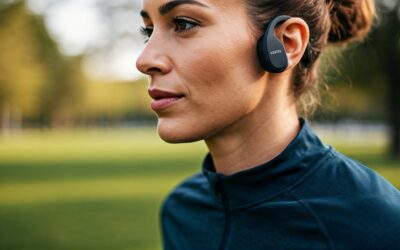
- The “Gym Swap”: Never use your premium ANC headphones for heavy cardio. Switch to IPX-rated earbuds like the Jabra Elite 8 Active.
- Silica Gel Packs: Keep two silica gel desiccant packets inside your headphone carrying case. They suck the moisture out of the pads the moment you put them away.
- Sweat Covers: Products like EarHugz are machine-washable covers that slip over your ear pads. They absorb the sweat so your expensive cushions don’t have to.
When Should You Replace the Ear Pads?
Sometimes, the “how to get sweat smell out of headphones” question has a physical answer: replacement. If you see the following signs, no amount of vinegar will help:
- Peeling/Flaking: If bits of black material are sticking to your ears, the protective barrier is gone.
- Foam Compression: If the pads feel flat, they are likely saturated with oils and skin cells.
- Lingering Smell: If the odor persists after three deep cleans, bacteria have likely colonized the internal acoustic foam.
Replacement pads for brands like Dekoni Audio or Wicked Cushions often offer better breathability and “cooling gel” layers compared to OEM factory pads.
Common Mistakes to Avoid
- Using Bleach: This will permanently discolor your headphones and dissolve the adhesives holding the drivers together.
- The Freezer Myth: Some “experts” suggest putting headphones in the freezer to kill bacteria. This does not work and the resulting condensation can short-circuit the internal electronics.
- Drying with a Hairdryer: High heat will melt the delicate plastic diaphragms inside your high-resolution drivers.
Frequently Asked Questions
Can I use Febreze on my headphones?
It is not recommended. Febreze is a masking agent and contains chemicals that can cause skin irritation (dermatitis) when pressed against your head for long periods. Stick to 70% alcohol and distilled vinegar.
How often should I clean my headphones?
If you use them daily, a light wipe-down should happen daily. A deep-clean for odor removal should be performed once a month, or weekly if you use them at the gym.
Does baking soda help with headphone smells?
Yes. You can place your headphones in a sealed container with an open box of baking soda (don’t let the powder touch the headphones). Leave it for 24 hours to absorb ambient odors.
Why do my headphones smell like “sour milk”?
This is usually caused by anaerobic bacteria breaking down human sebum (oil). It indicates that the headphones have been stored in a dark, damp place (like a gym bag) without drying out first.
Are there “sweat-proof” headphones?
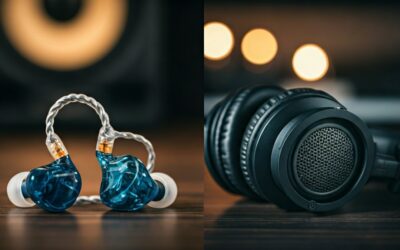
No over-ear headphone is truly “sweat-proof” because the pads must be porous for comfort. However, IPX4-rated headphones are water-resistant. For heavy sweat, In-ear monitors (IEMs) are always a better choice.