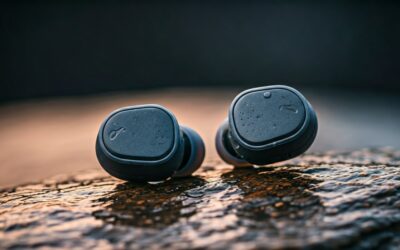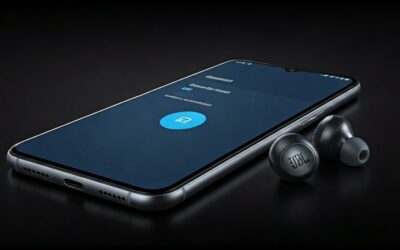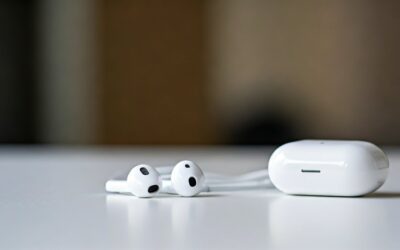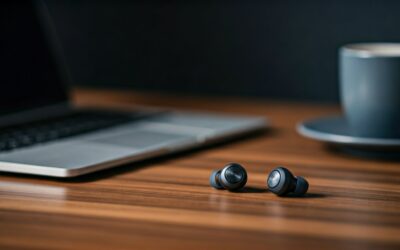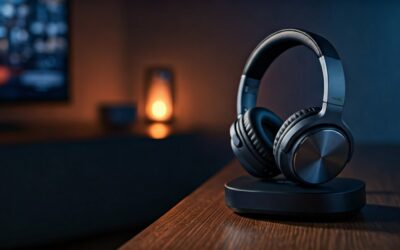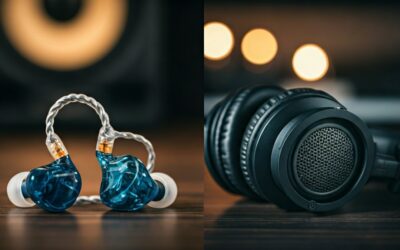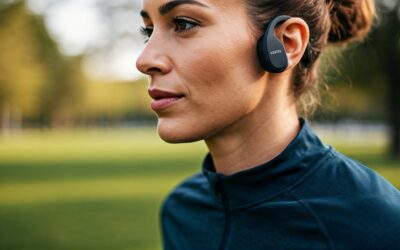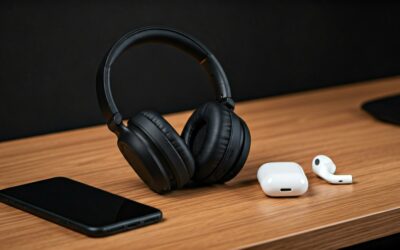

To sell headphones on Amazon successfully, you must create a Professional Seller Account, source products that meet FCC compliance standards, and optimize your listings with high-intent keywords to compete in a saturated market. By leveraging Fulfillment by Amazon (FBA) and Amazon Brand Registry, you can build a credible audio brand that attracts both casual listeners and audiophiles.
Key Takeaways: Selling Headphones on Amazon at a Glance
If you are looking for a quick roadmap, here is the essential data you need to start your journey in the electronics category.
| Phase | Key Actions | Importance |
|---|---|---|
| Preparation | Research Niche (Gaming, ANC, Sport) and check for Gating | High |
| Sourcing | Find ISO-certified suppliers; obtain FCC/CE certifications | Critical |
| Listing | Use 4K lifestyle images and A+ Content | High |
| Logistics | Enroll in FBA for Prime eligibility | Medium |
| Launch | Run Aggressive PPC and utilize Amazon Vine | High |
Why the Headphone Market is a Profitable Venture
The global headphones market is projected to reach over $100 billion by 2030. With the disappearance of the 3.5mm headphone jack on most smartphones, the demand for Bluetooth 5.0+ wireless earbuds and Noise-Canceling (ANC) headsets has skyrocketed.
Selling on Amazon gives you access to millions of Prime members who specifically search for electronics. However, because it is a “high-return” category, you must focus on build quality and battery life to avoid negative reviews that can sink a new listing.
Step 1: Identifying Your Profitable Audio Niche
Don’t just sell “headphones.” The market is too crowded for generic products. You need to identify a specific sub-category where you can offer unique value or a better price point.
- True Wireless Stereo (TWS): High volume, high competition, sensitive to battery life issues.
- Gaming Headsets: Requires high-quality microphones and 7.1 Surround Sound features.
- Bone Conduction: Growing niche for runners and cyclists who need situational awareness.
- Audiophile Wired: Lower volume but much higher profit margins and lower return rates.
Expert Insight: In my experience, the most successful new sellers avoid “budget” earbuds under $20. The margins are paper-thin, and the return rate due to “defective” units is often over 15%. Aim for the $50 – $120 price bracket for the best balance of volume and profit.
Step 2: Sourcing Inventory and Quality Control
Once you’ve chosen a niche, you need a reliable manufacturer. Most sellers use Alibaba or Global Sources to find partners in Shenzhen, the electronics capital of the world.
Mandatory Certifications for Amazon Electronics
Amazon is extremely strict about electronics safety. You must ensure your supplier provides:
- FCC Declaration of Conformity: Required for all radio frequency devices in the USA.
- UN38.3: Essential for any headphones containing Lithium-Polymer batteries.
- UL Certification: Not always mandatory but highly recommended to prevent “fire hazard” claims.
Pro Tip: Always order at least 3 samples from different suppliers. Test them for Bluetooth pairing speed, microphonic noise, and clamping force (how tight they feel on the head).
Step 3: Navigating Brand Registry and Category Gating
New sellers often find the “Electronics” or “Headphones” category gated (restricted). To get ungated, you usually need to provide an invoice from a reputable wholesaler showing the purchase of at least 10 units.
Why You Need Amazon Brand Registry
If you are selling your own private label brand, Brand Registry is non-negotiable. It provides:
- A+ Content: Allows you to use formatted descriptions and charts.
- Brand Storefront: A dedicated “mini-website” within Amazon for your headphones.
- IP Protection: Faster removal of “hijackers” who try to sell fakes on your listing.
Step 4: Creating a High-Converting Listing
Your listing is your 24/7 salesperson. Since customers cannot “try on” headphones on Amazon, your visuals and copy must do the heavy lifting.
The Power of Keywords
Use tools like Helium 10 or Jungle Scout to find high-volume terms. Your title should look something like this:
[Brand Name] Wireless Noise Canceling Headphones – 40H Playtime, Bluetooth 5.3, Deep Bass Over-Ear Headset for Travel/Home Office – Black
Essential Image Stack
- Main Image: Pure white background, showing the headphones from a 45-degree angle.
- Infographic 1: Battery life (e.g., “10 mins charge = 2 hours play”).
- Infographic 2: Driver size (e.g., “40mm Silk Diaphragm Drivers”).
- Lifestyle Image: A person using them in a gym or on a plane.
- Comparison Table: Compare your specs against “Generic” competitors.
Step 5: Fulfillment Strategy: FBA vs. FBM
How will you ship your headphones to the customer? Most successful sellers choose FBA.
| Feature | Fulfillment by Amazon (FBA) | Fulfillment by Merchant (FBM) |
|---|---|---|
| Prime Badge | Yes (Higher conversion) | No (Usually) |
| Storage | At Amazon Warehouses | At your home/warehouse |
| Customer Service | Handled by Amazon | Handled by You |
| Best For | Fast scaling and hands-off growth | Custom packaging or oversized items |
Actionable Advice: Because headphones are small and light, the FBA fees are usually very reasonable. The increase in sales from having the Prime Badge almost always outweighs the extra cost.
Step 6: Launching and Marketing Your Product
A great product will sit on page 50 if you don’t drive traffic.
Amazon Vine Program
If you have Brand Registry, enroll your first 30 units in Amazon Vine. Trusted reviewers will test your headphones for free in exchange for an honest review. This is the fastest way to get your first 5-star ratings.
Amazon PPC (Pay-Per-Click)
Start with an Automatic Campaign for two weeks to see which keywords Amazon’s AI thinks are relevant. Then, move the winning keywords into a Manual Exact Match Campaign. Focus on “long-tail” keywords like “noise canceling headphones for small ears” rather than just “headphones.”
Step 7: Managing Returns and Customer Feedback
In the electronics category, Technical Support is your best defense against returns.
- Include a User Manual with a QR code leading to a setup video.
- Clearly explain how to “Reset” the Bluetooth connection, as this solves 80% of “broken” claims.
- Monitor your Voice of the Customer (VOC) dashboard daily to identify if a specific batch of headphones has a recurring defect.
Frequently Asked Questions
Do I need a license to sell headphones on Amazon?
You do not need a specific “license” from the government, but you must have FCC certification for wireless products. You may also need a Letter of Authorization (LOA) if you are reselling established brands like Sony or Bose.
Is selling headphones on Amazon too competitive?
While competitive, there is always room for products with better ergonomics, longer battery life, or specific aesthetic designs (e.g., “Cute” headphones for kids or “Minimalist” styles for office workers).
How much capital do I need to start?
A realistic starting budget is $3,000 – $5,000. This covers the initial inventory (approx. 300-500 units), shipping, professional photography, and the first month of Amazon PPC advertising.
How do I handle defective products?
Amazon usually marks returned electronics as “Unsellable.” You should have these items sent back to a 3rd party inspection center rather than destroying them, as many are simply “open box” items that can be resold on other platforms.