

To learn how to wrap headphones properly, the most effective method is the Figure-8 technique or the Over-Under wrap. These professional methods prevent internal wire twisting, eliminate “spaghetti” tangles, and significantly extend the lifespan of your audio gear by protecting the delicate copper filaments inside.
Why Learning How to Wrap Headphones Saves You Money
Most people treat their headphone cables like common rope, winding them tightly around their phone or hand. As an audio engineer who has handled thousands of dollars in high-end Sennheiser and Audio-Technica gear, I can tell you that improper wrapping is the #1 cause of “one-ear silence.”
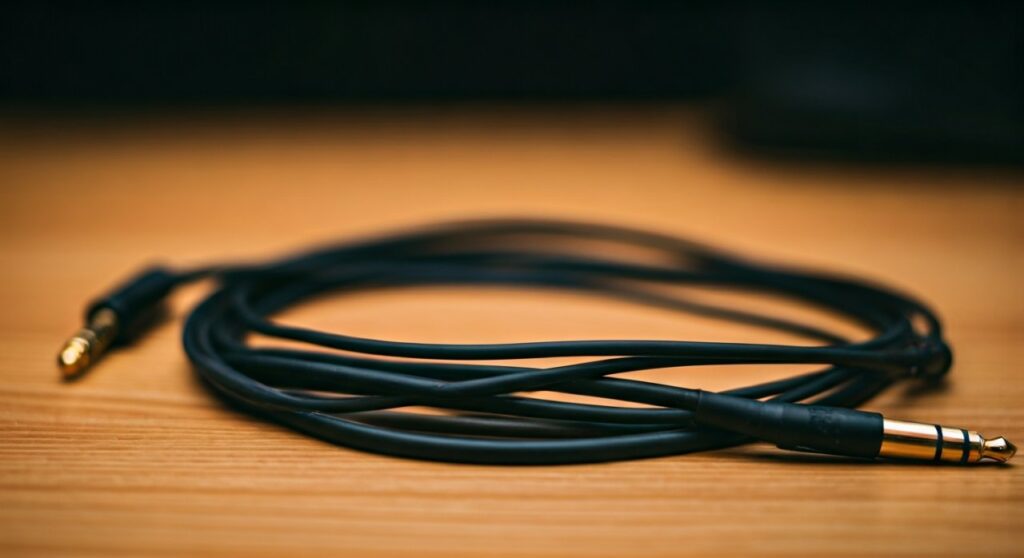
When you wrap a cable tightly, you create mechanical stress at the strain relief points near the jack and the earcups. Over time, the internal Oxygen-Free Copper (OFC) strands fracture. Learning how to wrap your headphones correctly ensures that the cable retains its “natural coil,” making it lay flat when in use.
Key Takeaways for Cable Maintenance
| Method | Best For | Difficulty | Tangle Prevention |
|---|---|---|---|
| Figure-8 Wrap | Daily use, wired earbuds | Easy | High |
| Over-Under Technique | Long cables, studio monitors | Medium | Extreme |
| String Wrapping | Customization, durability | Hard | High |
| Velcro Straps | Long-term storage | Easy | Moderate |
The Figure-8 Method: The Gold Standard for Daily Use
The Figure-8 method is the most popular way to learn how to wrap wired headphones. It mimics the way professional climbers coil ropes to ensure they never knot under pressure.
- Extend your hand and hold the earbuds against your palm with your thumb.
- Spread your index and pinky fingers apart to create a “U” shape.
- Weave the cable in a “8” pattern back and forth between these two fingers.
- Leave about 3-4 inches of cable at the end.
- Slide the bundle off your fingers and wrap the remaining tail around the center of the “8.”
- Tuck the jack through one of the loops to secure it.
This method prevents the cable from developing a “twist memory,” which is what causes wires to coil back up into a mess even when you try to straighten them.
The Over-Under Technique: Professional Stagehand Secret
If you are wondering how to wrap wired headphones that have long, thick cables (like studio monitors), the Over-Under technique is the industry secret. This method neutralizes the torsion (twist) of the cable.
Step 1: The “Over” Loop
Hold the headphones in your non-dominant hand. With your dominant hand, grab the cable and make a standard loop, coiling it toward you.
Step 2: The “Under” Loop
For the next loop, reach under the cable. Twist your wrist outward so the cable loops behind the main strand. This cancels out the circular tension created by the first loop.
Step 3: Consistency
Alternate between “Over” and “Under” until the cable is fully coiled. When you throw this cable across a room, it will unspool in a perfectly straight line without a single kink.
How to Wrap Headphones with String for Extra Protection
If you want to prevent tangles permanently while adding a personal touch, learning how to wrap headphones with string is a fantastic DIY project. This is often called “cable braiding.”
- Choose your material: Use embroidery floss or Paracord 550.
- The Knot: Use a Spiral Hitch or a Cobra Stitch.
- The Process: Tie the string to the base of the headphone jack. Continue knotting around the wire all the way up to the earcups.
- The Benefit: The added thickness of the string prevents the wire from bending at sharp, damaging angles. It also adds a layer of friction resistance, making it harder for the cable to tie itself into knots inside your pocket.
Protecting the Critical “Stress Points”
When you are learning how to wrap your headphones, you must pay attention to the TRS Connector (the jack). The point where the wire meets the plug is the most common failure zone.
Never bend the wire at a 90-degree angle immediately after the plug. Always allow for a “natural arc” of at least one inch before starting your wrap. This preserves the soldered connections inside the housing.
Best Storage Accessories for Wired Headphones
Sometimes, knowing how to wrap headphones isn’t enough; you need the right tools. Based on my experience testing various cable management systems, here are the top recommendations:
- Silicone Bone Wraps: Great for earbuds, but can sometimes apply too much pressure.
- Hard Shell Cases: The safest option for expensive IEMs (In-Ear Monitors).
- Magnetic Cable Clips: Perfect for keeping your wrap secure without using knots.
- Leather Taco Wraps: Stylish and provides a wide surface area to prevent sharp bends.
Common Mistakes to Avoid
- The “Elbow Wrap”: Never wrap your headphones around your palm and elbow. This creates massive tension and “corks” the wire.
- Tight Rubber Bands: These can cut into the PVC jacket of the cable over time. Use hook-and-loop (Velcro) straps instead.
- Heat Exposure: Don’t leave wrapped headphones in a hot car. The plastic insulation can soften and “set” in a tangled shape.
Restoring a Tangled Cable
If your headphones are already a mess, don’t pull on the knots. Pulling tightens the internal fractures.
Instead, lay the cable on a flat surface. Start from the 3.5mm jack and work your way toward the earcups, untwisting the cable as you go. Once straight, hang the headphones from a hook for 24 hours to let gravity reset the cable memory.
Frequently Asked Questions
Does wrapping headphones damage the internal wires?
Wrapping only damages wires if done too tightly. If you use the Figure-8 or Over-Under methods, you are actually protecting the wires from fatigue and accidental snapping.
How do I stop my headphones from tangling in my pocket?
The best way is to wrap them using the Figure-8 method and then place them inside a small lint-free pouch. Placing loose headphones in a pocket allows the “agitated” movement of walking to weave the loops together.
Is string wrapping better than using a case?
String wrapping provides permanent protection against kinks and adds aesthetic value. However, a hard case provides better protection against crushing and moisture. For the best results, do both.
How long should a well-wrapped pair of headphones last?
With proper wrapping techniques, a high-quality pair of wired headphones can last 5 to 10 years. Without proper care, the internal copper usually fails within 6 to 12 months of daily use.
Can I use the same methods for USB-C and Lightning headphones?
Yes. Although the connectors are different, the internal wiring (often thinner in digital cables) benefits even more from the Over-Under technique because digital cables are more sensitive to signal interference caused by internal shielding breaks.









