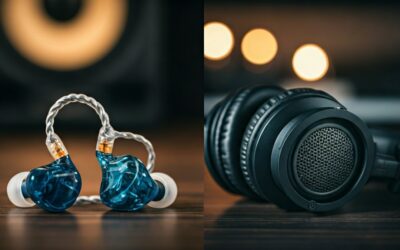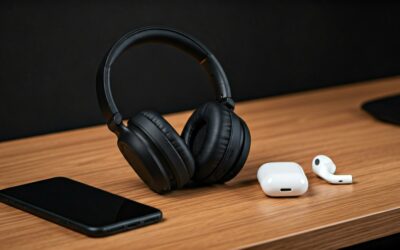

Choosing between wired vs. wireless headphones depends on whether you prioritize uncompromising audio fidelity and reliability or the freedom of movement and modern smart features. If you are a professional gamer or an audiophile seeking lossless sound, wired headphones are the superior choice; however, for commuters and fitness enthusiasts, the convenience of wireless Bluetooth technology is unbeatable.
Key Takeaways: Should I Get Wired or Wireless Headphones?
If you are in a hurry, here is the expert breakdown to help you decide immediately:
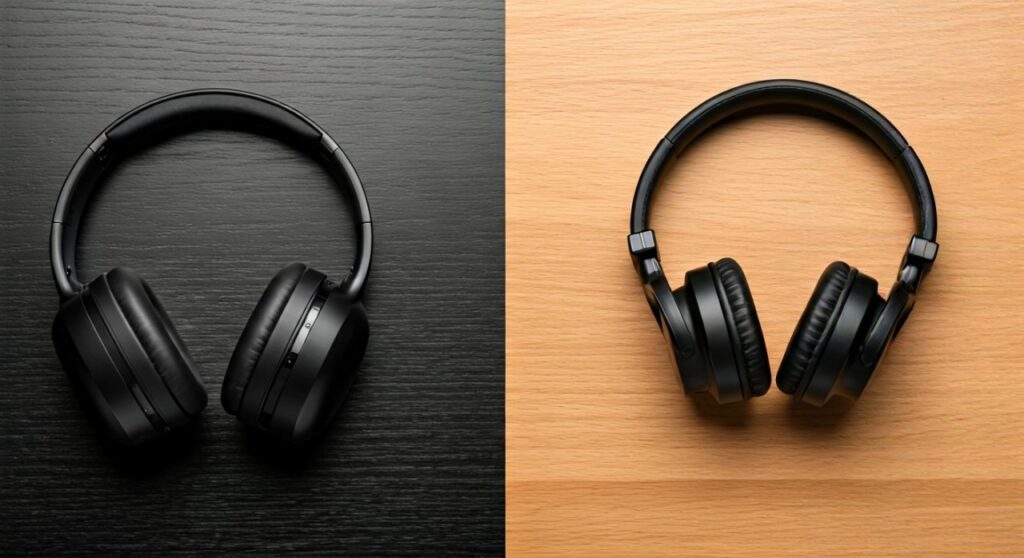
- Choose Wired If: You want the best audio quality for the lowest price, you hate charging batteries, or you need zero latency for competitive gaming and video editing.
- Choose Wireless If: You value portability, want to avoid tangled cords, and require features like Active Noise Cancellation (ANC) and voice assistant integration.
- Best for Budget: Wired headphones generally offer much better sound performance per dollar because you aren’t paying for internal batteries and Bluetooth chips.
- Best for Longevity: Wired models can last decades, whereas wireless headphones have a lifespan of 3-5 years due to Lithium-ion battery degradation.
Sound Quality: The Battle Between Lossless and Compressed Audio
When asking “should I get wired or wireless headphones,” the first thing to consider is the “purity” of the sound. Wired headphones use an analog signal that carries the full depth of the music without compression.
In my experience testing high-end gear like the Sennheiser HD600, the level of detail in the mid-range is something Bluetooth simply cannot replicate yet. Wired connections support High-Resolution (Hi-Res) audio, often reaching bitrates of up to 9,216 kbps (standard for 24-bit/192kHz).
In contrast, wireless headphones rely on codecs like SBC, AAC, aptX, or LDAC. Even the highest quality codec, Sony’s LDAC, caps out at 990 kbps, which is technically a “lossy” format. While the average listener might not notice the difference on a crowded bus, a quiet room reveals the missing textures in wireless audio.
Latency and Gaming: Why Every Millisecond Matters
For gamers and video editors, the choice is almost always wired. Latency, or the delay between the sound being created and reaching your ears, is the primary enemy of a good gaming experience.
Standard Bluetooth headphones often have a latency of 150ms to 300ms. This delay can cause a “lip-sync” issue in movies or, worse, result in you hearing an enemy’s footsteps too late in a game like Call of Duty or Valorant.
Wired headphones have near-zero latency (under 5ms). If you must go wireless for gaming, you should specifically look for models that include a 2.4GHz USB Dongle, which reduces lag significantly compared to standard Bluetooth.
Comparison Table: Wired vs. Wireless Performance
| Feature | Wired Headphones | Wireless Headphones |
|---|---|---|
| Audio Quality | Lossless / Hi-Res | Compressed (Codec dependent) |
| Battery Life | Unlimited (No charging) | 20 – 60 Hours (Requires charging) |
| Latency | Near Zero (<5ms) | Variable (150ms – 300ms) |
| Durability | High (Few electronic parts) | Medium (Battery eventually fails) |
| Convenience | Low (Cables get tangled) | High (Total freedom) |
| Price | Cheaper for better sound | More expensive for features |
The Convenience Factor: Living Without the Tangle
There is no denying that wireless headphones have won the “lifestyle” battle. If you’ve ever had your wired headphones ripped off your head because the cord caught on a doorknob, you understand the appeal of Bluetooth.
Modern flagships like the Sony WH-1000XM5 or Apple AirPods Max offer a seamless user experience. Features like Multipoint Pairing allow you to switch from a Zoom call on your laptop to a podcast on your phone instantly.
Furthermore, Active Noise Cancellation (ANC) is almost exclusively a wireless feature. If you travel frequently, the ability to drown out a jet engine without being tethered to a seat is worth the trade-off in raw audio fidelity.
Reliability and Battery Anxiety
One of the biggest “pain points” for wireless headphone users is battery health. All wireless sets rely on internal batteries that lose capacity over time. After about 300-500 charge cycles, you will notice your “30-hour” headphones only last 15 hours.
Wired headphones are the “buy it for life” option. I still own a pair of Beyerdynamic DT 770 Pro headphones that are over 10 years old; I’ve only had to replace the ear pads once.
With wired gear, you never have to worry about your music dying in the middle of a long-haul flight. You simply plug in the 3.5mm jack and you are ready to go.
The Hidden Cost: Dongles and Amplifiers
While wired headphones are often cheaper, the modern smartphone has complicated things. Most new phones have removed the headphone jack, meaning you must buy a USB-C to 3.5mm adapter (often called a “dongle”).
If you buy high-impedance wired headphones, you might also need an external DAC (Digital-to-Analog Converter) or Amplifier to get enough volume. This can add an extra $50 to $200 to your total setup cost.
Wireless headphones bypass this entirely. They have the DAC and Amp built into the earcups, tuned specifically for those drivers, ensuring you get the intended sound profile right out of the box.
Which Should You Choose for Your Specific Use Case?
The Daily Commuter
If you are on subways or buses, get wireless headphones with ANC. The environment is too noisy to appreciate the benefits of a wired connection anyway.
The Professional Gamer
Choose wired headphones. The reliability and lack of lag are critical for performance. Look for brands like Audio-Technica or Sennheiser.
The Gym Goer
Wireless earbuds are the only logical choice here. Cables are a safety hazard during heavy lifting or treadmill runs. Look for an IPX rating for sweat resistance.
The Home Audiophile
Invest in a high-quality pair of wired open-back headphones. Pair them with a dedicated desktop amp for a “concert hall” experience in your living room.
Expert Practical Advice for Your Purchase
Before you tap “buy,” consider these three professional tips I’ve gathered from years of testing:
- Check for Hybrid Options: Many premium wireless headphones (like the Bose QuietComfort) come with an optional backup cable. This gives you the best of both worlds.
- Verify Codec Support: If you go wireless and use an Android, ensure the headphones support aptX or LDAC. If you use an iPhone, AAC is the gold standard.
- Think About Repairability: Check if the ear pads and cables are user-replaceable. This can double the lifespan of your investment.
Frequently Asked Questions
Do wired headphones really sound better than wireless?
Yes, technically. Wired headphones transmit an uncompressed analog signal, while wireless headphones must compress the data to fit through the Bluetooth bandwidth, leading to a slight loss in audio detail.
Why did phone companies remove the headphone jack?
Manufacturers like Apple and Samsung removed the jack to save internal space for larger batteries, improve water resistance, and push the adoption of profitable wireless accessories like AirPods.
Can I use wired headphones with a phone that has no jack?
Yes, you can use a USB-C or Lightning to 3.5mm adapter. These adapters are inexpensive and often contain a small DAC that can actually improve sound quality.
How long do wireless headphones usually last?
On average, a pair of wireless headphones will last 3 to 5 years. The limit is usually the battery, which eventually fails to hold a charge and is often difficult or impossible to replace.