

Good in-ear headphones are defined by their ability to provide high-fidelity sound, a secure ergonomic fit, and advanced features like Active Noise Cancellation (ANC). To be considered “good,” these devices must offer a balanced frequency response, reliable battery life (at least 6-8 hours per charge), and a stable wireless connection using Bluetooth 5.3 or higher.
Key Takeaways: What to Look For
If you are in a hurry, here is the essential checklist for identifying high-quality in-ear audio gear:
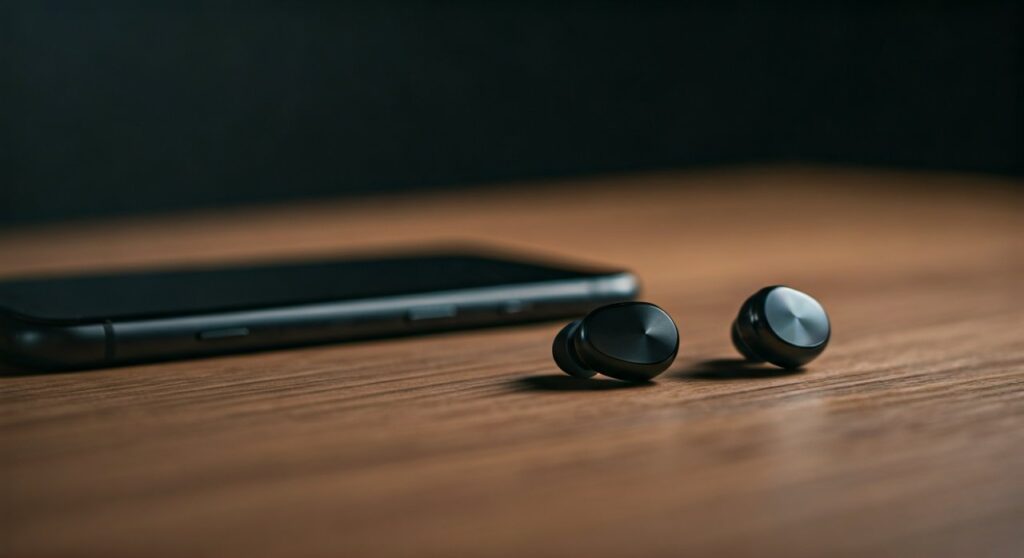
- Sound Quality: Look for 10mm+ dynamic drivers or balanced armature setups for clarity.
- Comfort: Ensure the package includes multiple sizes of silicone or memory foam ear tips.
- Durability: A minimum rating of IPX4 (water resistance) is necessary for daily use and workouts.
- Connectivity: Support for high-quality codecs like LDAC, aptX, or AAC is vital for lossless audio.
- Battery Life: Aim for a total of 24-30 hours including the charging case capacity.
Understanding What Are In Ear Headphones
Before diving into specific models, it is crucial to understand what are in ear headphones and how they differ from standard earbuds. Unlike traditional earbuds that sit on the outer ear, in-ear headphones (also known as In-Ear Monitors or IEMs) are inserted directly into the ear canal.
This design creates a physical seal that provides passive noise isolation. This seal blocks out ambient environment noise, allowing you to hear your music more clearly at lower volumes. Modern versions are typically True Wireless Stereo (TWS), meaning they have no wires connecting the two buds.
The 5 Pillars of High-Quality In-Ear Audio
To determine what are good in ear headphones, we must evaluate five critical performance metrics that professional audio engineers prioritize.
Audio Driver Technology
The driver is the heart of the headphone. Dynamic drivers are excellent for delivering punchy bass, while balanced armatures offer superior detail in high frequencies. Hybrid models that combine both technologies often provide the most “pro-level” sound signature.
Active Noise Cancellation (ANC) Efficiency
Top-tier models use external microphones to “cancel” outside sounds. Good in-ear headphones like the Sony WF-1000XM5 can reduce ambient noise by up to 30dB to 40dB, making them perfect for commuters and frequent flyers.
Ergonomics and “The Seal”
A headphone is only as good as its fit. If the seal is broken, you lose almost all bass response. Experts recommend looking for ergonomic housing designs that mimic the natural shape of the human ear (the concha).
Codec Support and Latency
If you watch videos or play games, you need low latency. Look for Bluetooth 5.3 and low-latency codecs. LDAC is the gold standard for Android users, while AAC is the optimized standard for the Apple ecosystem.
Microphone Quality for Calls
With the rise of remote work, a “good” pair must have beamforming microphones. These focus on your voice while filtering out background wind or chatter, ensuring crystal-clear Zoom or Teams meetings.
Step-by-Step Guide: How to Choose Good In-Ear Headphones
Follow this professional framework to ensure your next purchase meets your specific needs.
Step 1: Identify Your Primary Use Case
Are you an athlete, a commuter, or an audiophile?
- Athletes: Prioritize an IPX7 rating and “wing tips” for stability.
- Commuters: Prioritize ANC and long battery life.
- Audiophiles: Look for wired IEMs or TWS buds with Hi-Res Audio Wireless certification.
Step 2: Test the Fitment and Seal
When you receive your headphones, try every ear tip size provided. A proper seal should feel like a slight pressure change in your ear. If you can hear a finger snap clearly while wearing them (with music off), the seal is likely poor.
Step 3: Check the Companion App Features
Modern good in-ear headphones come with smartphone apps. Ensure the app allows for Custom EQ (Equalization), firmware updates, and “Find My Earbuds” functionality. Brands like Sennheiser and Jabra offer excellent app interfaces.
Step 4: Verify Battery Reality vs. Marketing
Manufacturers often list battery life with ANC turned off. To find truly good in-ear headphones, look for “Real-World” reviews. A high-quality pair should last at least 5 hours with ANC continuously active.
Comparison of Top-Rated In-Ear Headphones in 2024
| Model Name | Best For | Driver Type | Battery (With Case) | IP Rating |
|---|---|---|---|---|
| Sony WF-1000XM5 | Overall Best | 8.4mm Dynamic | 36 Hours | IPX4 |
| Apple AirPods Pro 2 | Apple Users | Custom High-Excursion | 30 Hours | IP54 |
| Bose QuietComfort Ultra | Best Noise Canceling | Custom Dynamic | 24 Hours | IPX4 |
| Sennheiser Momentum TW4 | Sound Fidelity | 7mm TrueResponse | 30 Hours | IP54 |
| Beats Fit Pro | Fitness/Gym | Dual-Element | 24 Hours | IPX4 |
Advanced Technical Insights: Drivers and Codecs
For those seeking professional-grade gear, understanding the “specs” is vital. Good in-ear headphones often feature a frequency response of 20Hz to 20,000Hz, which covers the full range of human hearing.
However, “Audiophile” models may extend this to 40kHz. While humans can’t “hear” these frequencies, they contribute to the “airiness” and “soundstage” of the music. Furthermore, check for Multipoint Connection, which allows the headphones to connect to two devices (like a laptop and a phone) simultaneously.
Maintenance Tips for Longevity
Even the best headphones will fail if not maintained. Follow these expert tips:
- Clean the mesh: Use a soft brush to remove earwax weekly to prevent volume loss.
- Case Care: Keep the charging pins clean using a dry Q-tip to ensure consistent charging.
- Battery Health: Try not to let the case drop to 0% frequently; lithium-ion batteries prefer staying between 20% and 80%.
Frequently Asked Questions
What are the best in-ear headphones for small ears?
Models like the 1MORE ComfoBuds Mini or Sony LinkBuds S are specifically designed with smaller housings to fit narrow ear canals comfortably without causing pressure points.
Is high-end noise canceling worth the extra money?
Yes, if you travel or work in loud environments. High-end ANC uses dedicated processors (like Sony’s V2 processor) to silence lower frequencies that cheaper models cannot touch.
Can in-ear headphones cause ear infections?
They can if not cleaned properly. It is recommended to sanitize the silicone tips with isopropyl alcohol once a month and avoid sharing your headphones with others.
What is the difference between “Earbuds” and “In-Ear Headphones”?
Standard earbuds (like original AirPods) rest on the outer ear and let in ambient noise. In-ear headphones enter the ear canal and provide a seal, offering better bass and noise isolation.
Why do my in-ear headphones keep falling out?
This is usually due to an incorrect ear tip size. Switching to memory foam tips (like Comply Foam) often solves this issue as the foam expands to the exact shape of your ear canal.
**
**
**
**









