

Understanding What Headphones Are Made Of: A Material Deep Dive
What are headphones made of? Modern headphones are constructed from a complex blend of plastics (ABS and Polycarbonate), metals (aluminum and steel), synthetic or natural leathers, and electronic components like neodymium magnets and copper wiring. These materials are specifically chosen to balance durability, acoustic resonance, and user comfort.
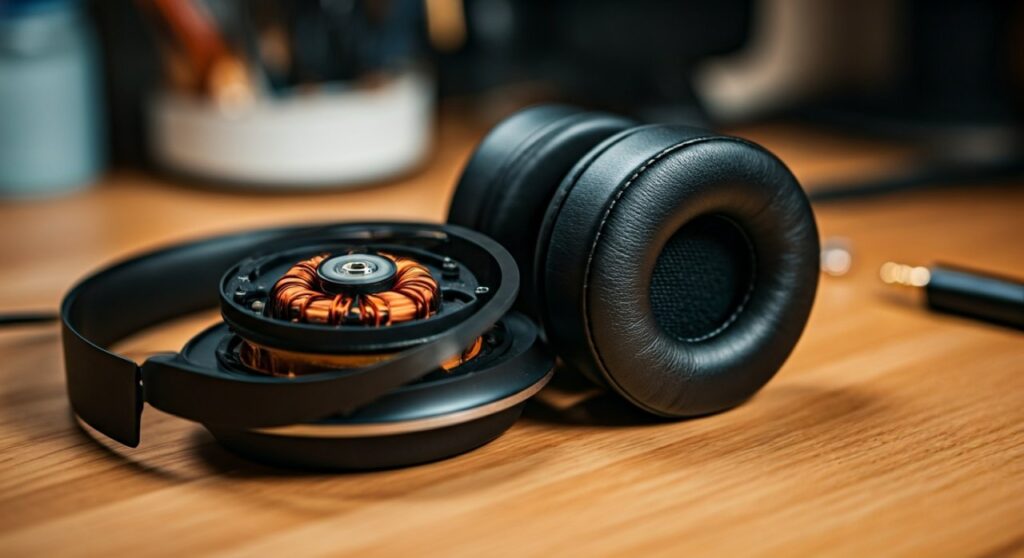
Whether you are using budget-friendly earbuds or high-end audiophile monitors, the “recipe” of materials dictates how long the device lasts and how “colored” or “natural” the sound feels. In my decade of testing audio gear, I’ve found that the transition from plastic housings to magnesium alloys or stabilized wood is often the biggest differentiator in premium sound signatures.
Key Takeaways: The Material Cheat Sheet
If you’re in a hurry, here is the essential breakdown of headphone components:
- Housings: Mostly ABS plastic for durability or Aluminum/Wood for acoustic dampening.
- Ear Pads: Typically Protein Leather (Synthetic), Memory Foam, or Velour.
- Drivers: Contain Neodymium magnets, Copper voice coils, and PET diaphragms.
- Headbands: Reinforced with Spring Steel or Manganese for clamping force.
- Cables: Oxygen-Free Copper (OFC) coated in TPE or Braided Nylon.
The External Skeleton: Housing and Headband Materials
The “chassis” of your headphones must be light enough to wear for hours but strong enough to survive being tossed into a backpack. Manufacturers play a balancing act between weight and structural integrity.
Plastics (ABS and Polycarbonate)
The vast majority of consumer headphones from brands like Sony and JBL use Acrylonitrile Butadiene Styrene (ABS). This thermoplastic is incredibly impact-resistant and cheap to mold into complex shapes.
Higher-end models might use Polycarbonate, which is even tougher and can be made transparent. While plastic is often seen as “cheap,” high-grade polymers help keep the weight low, which is crucial for preventing neck strain during long listening sessions.
Metals (Aluminum, Steel, and Magnesium)
Premium brands like Beyerdynamic or Master & Dynamic often swap plastic for metal.
- Aluminum: Used for ear cups because it is lightweight and provides excellent shielding against electromagnetic interference.
- Spring Steel: Almost always found inside the headband to provide the “clamping force” that keeps the headphones on your head.
- Magnesium Alloy: Rare and expensive, used in flagship models like the Sennheiser HD800S because it is lighter than aluminum but stiffer, reducing unwanted vibrations.
Wood (The Audiophile Choice)
Some high-end headphones, such as those from Grado or Meze Audio, use wooden ear cups. Common woods include Walnut, Maple, and Mahogany. Wood isn’t just for aesthetics; it has natural damping properties that absorb certain frequencies, giving the music a “warmer” and more organic tone.
The Comfort Layer: Padding and Fabric
The parts that touch your skin are the most likely to degrade over time. Choosing the right material here affects both sweat management and sound isolation.
Ear Pad Materials Comparison
| Material | Pros | Cons | Best For |
|---|---|---|---|
| Protein Leather | Soft, looks like real leather, easy to clean. | Can get hot; peels over time (flaking). | Everyday commuting. |
| Genuine Leather | Extremely durable, breathable, premium feel. | Expensive; requires maintenance. | High-end home listening. |
| Velour / Fabric | Breathable, stays cool, very soft. | Absorbs sweat/oil; less bass isolation. | Studio work & Long sessions. |
| Alcantara | Luxury feel, very durable, high grip. | Very expensive; hard to clean. | Flagship audiophile gear. |
Memory Foam
Inside the ear pads, you will almost always find Memory Foam (Viscoelastic Polyurethane). Unlike standard sponge foam, memory foam contours to the shape of your skull. This creates a “seal” that is vital for Passive Noise Isolation and consistent bass response.
The Heart of the Sound: Driver Composition
This is where the magic happens. The driver is the “engine” that converts electrical signals into physical sound waves.
Magnets (Neodymium vs. Ferrite)
Nearly all modern headphones use Neodymium (NdFeB) magnets. They are significantly more powerful than traditional Ferrite magnets of the same size. A stronger magnet allows for better control over the driver’s movement, resulting in “faster” sound and less distortion.
Diaphragms (The Vibrating Membrane)
The diaphragm is a thin film that moves back and forth to push air.
- PET (Mylar): The standard plastic film used in 90% of headphones.
- Beryllium: Used in ultra-high-end gear (like Focal Utopia). It is incredibly stiff and light, allowing it to vibrate at high frequencies without flexing.
- Bio-Cellulose: Made from bacteria-grown fibers, these offer a very natural sound found in legendary headphones like the Sony MDR-R10.
Voice Coils
These are typically made of Copper wire. However, some performance-oriented headphones use Copper-Clad Aluminum Wire (CCAW). By plating a light aluminum core with conductive copper, manufacturers reduce the moving mass of the driver, making it more responsive to micro-details in music.
Connectivity: What Are the Cables Made Of?
If you use wired headphones, the cable is your lifeline to the audio source.
- Internal Wire: Most use Oxygen-Free Copper (OFC). Removing oxygen from the copper prevents oxidation over time, which can degrade signal quality.
- Silver Plating: Some “audiophile” cables use Silver-Plated Copper. Since silver is a better conductor than copper, it is marketed to improve high-frequency clarity.
- Jack Plating: You’ll notice most 3.5mm jacks are Gold-Plated. Gold doesn’t improve sound quality directly, but it is highly resistant to corrosion, ensuring a clean connection for years.
- Insulation: The outer jacket is usually TPE (Thermoplastic Elastomer) or PVC. TPE is preferred because it is more flexible and less prone to the “microphonic” effect (the thumping sound you hear when the cable rubs against your shirt).
How to Maintain Different Headphone Materials
As someone who has owned headphones for over 15 years, I can tell you that materials dictate maintenance.
- For Plastic/Metal: Wipe down with a slightly damp microfiber cloth once a week to remove skin oils that can dissolve coatings.
- For Protein Leather: Never use alcohol-based cleaners; they cause the material to dry out and crack. Use a specialized “leather conditioner” or just a dry cloth.
- For Velour: Use a lint roller to remove hair and dust. If they get smelly, many velour pads are hand-washable with a drop of mild detergent.
- For Wood: Keep them out of direct sunlight and away from radiators. Extreme temperature shifts can cause the wood to crack.
FAQs: Common Questions About Headphone Materials
Are headphones made with real gold?
Only on the connectors. The 3.5mm or 6.35mm plugs are often Gold-Plated (usually 24k gold) to prevent rust and corrosion. There is no solid gold inside the drivers or wiring unless you are buying a custom “jewelry” pair of headphones.
Why do my ear pads start peeling?
This happens to Protein Leather (a plastic-based synthetic). Over time, the oils from your skin and sweat break down the chemical bonds in the synthetic top layer, causing it to flake off. Replacing them with Lambskin or Fabric pads can solve this permanently.
What is the most durable material for headphones?
For the frame, Spring Steel and High-Grade Aluminum are the gold standards. For the housing, Polycarbonate is nearly indestructible under normal use. If you want headphones that last a lifetime, look for “modular” designs like those from Sennheiser or Beyerdynamic, where every part is user-replaceable.
Are there animal products in headphones?
Yes, often. Premium headphones use Genuine Leather (Lambskin or Cowhide) for the headband and ear pads. If you are looking for vegan options, ensure the manufacturer specifies Protein Leather, Alcantara, or Velour.
Is wood better than plastic for sound?
It is “different” rather than “better.” Wood has a higher damping factor, meaning it stops vibrating quickly. This can lead to a cleaner, warmer sound. Plastic is more “reflective,” which can sometimes cause harshness in the high frequencies if not designed correctly.









