
What Are Noise Isolating Headphones and How Do They Work?
Noise isolating headphones are audio devices that block out external ambient sound through their physical design and materials rather than electronic processing. Often referred to as “passive noise isolation,” these headphones function as a physical barrier—much like a high-quality earplug—to prevent unwanted noise from reaching your eardrums.
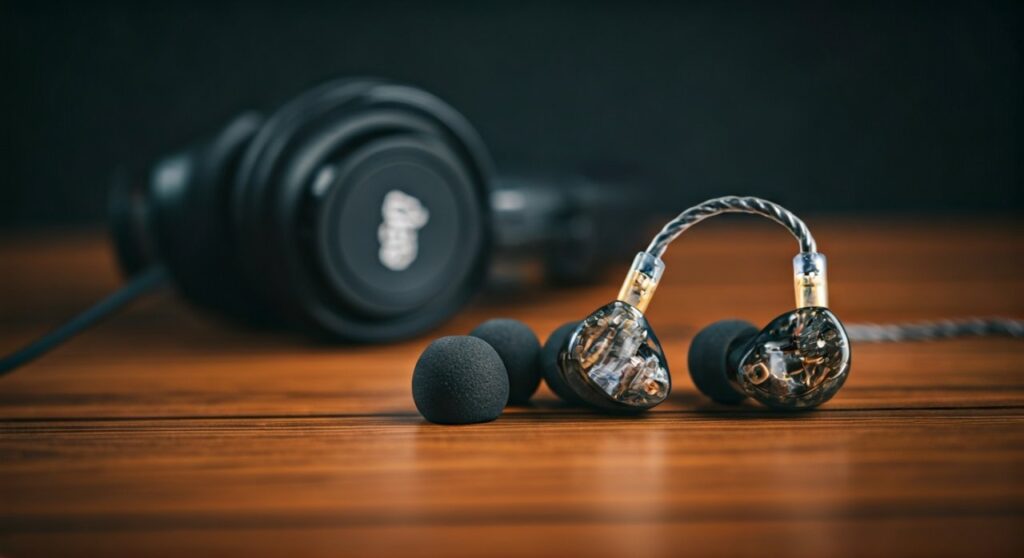
By creating an airtight seal either inside your ear canal (with in-ear monitors) or around your entire ear (with closed-back over-ear headphones), they can significantly reduce background chatter, engine hums, and city traffic. Unlike Active Noise Cancellation (ANC), what is noise isolation in headphones relies entirely on the density of the ear cups and the quality of the seal to provide a quieter listening experience.
Key Takeaways: Understanding Noise Isolation
If you are in a hurry, here is the essential information regarding what does noise isolating headphones mean and how they differ from other technologies:
| Feature | Noise Isolating (Passive) | Active Noise Cancellation (ANC) |
|---|---|---|
| Technology | Physical barrier/Acoustic seal | Electronic microphones & anti-noise |
| Battery Needed | No | Yes |
| Best For | High-frequency sounds, voices, sirens | Constant low-frequency hums, plane engines |
| Audio Fidelity | Generally higher (no digital processing) | Can sometimes introduce a “hiss” |
| Price Point | Available at all budgets | Typically more expensive |
| Durability | Long-lasting (fewer electronic parts) | Complex electronics can fail over time |
What Is Sound Isolation in Headphones vs. Active Noise Cancellation?
It is common to confuse what is sound isolating headphones with Active Noise Cancellation (ANC). While both aim to provide a quiet environment, their methods are fundamentally different.
Passive noise isolation is akin to closing a heavy window to block out street noise. It works 24/7 without needing power because it uses high-density memory foam, silicone, and heavy-duty plastics to dampen sound waves.
In contrast, ANC uses internal microphones to “listen” to outside noise and then generates an inverted sound wave to cancel it out. While ANC is great for the low drone of an airplane, what is sound isolation headphones performance is often superior for blocking out irregular, high-pitched sounds like a crying baby or a coworker’s conversation.
Step 1: Identify the Two Main Types of Noise Isolating Headphones
Before you can master the use of these devices, you must understand the two primary form factors that define what are noise isolating headphones.
In-Ear Monitors (IEMs)
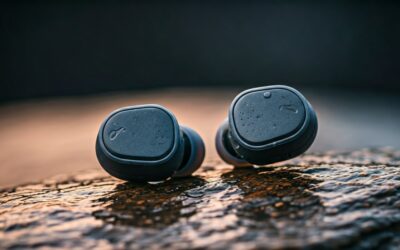
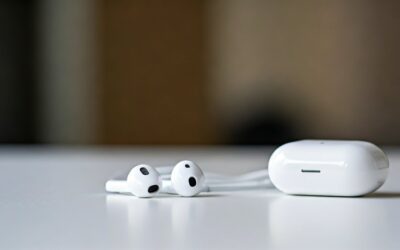
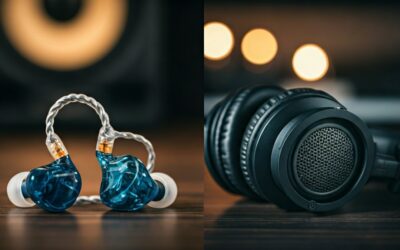
These are the kings of isolation. Devices from brands like Etymotic or Shure are designed to sit deep within the ear canal.
Because they act exactly like professional earplugs, they can offer up to 35dB to 42dB of noise reduction. This is often more effective than even the most expensive ANC headphones for total silence.
Closed-Back Over-Ear Headphones
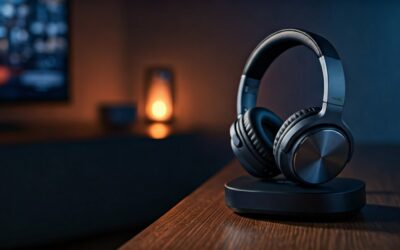
These headphones feature solid ear cups without any vents. They use thick padding to surround the ear and create a seal against the skull.
While they don’t block as much noise as IEMs, they are much more comfortable for long-term wear in office environments. Professional studio monitors like the Beyerdynamic DT 770 Pro are classic examples of what is noise isolation headphones design for professionals.
Step 2: Choose the Right Materials for Maximum Isolation
To get the most out of what are sound isolating headphones, you need to focus on the materials that interface with your skin.
- Memory Foam Tips: These are the gold standard for in-ear isolation. They expand to fit the unique shape of your ear canal, leaving no gaps for sound to leak through.
- Silicone Tips: These are durable and easy to clean but can sometimes lose their seal if you sweat or move your jaw.
- Protein Leather Pads: Found on over-ear models, these provide a tight seal against the head but can become warm over time.
- Velour Pads: While comfortable, velour is “breathable,” which means it is terrible for isolation. Always choose leather or synthetic leather for noise blocking.
Step 3: How to Achieve the Perfect Seal (The Deep Insert Technique)
The effectiveness of what is sound isolation in headphones depends entirely on the seal. If even a tiny amount of air can pass into your ear, the isolation drops by over 50%.
- For In-Ear Models: Reach over your head with the opposite hand and pull the top of your ear upward and backward. This straightens the ear canal.
- Insert the Ear Tip: Gently slide the headphone in while the ear is pulled back.
- Release and Hold: Let go of your ear and hold the headphone in place for 5-10 seconds to allow the memory foam to expand.
- The Seal Test: Hum to yourself. If you have a perfect seal, your voice should sound deep and resonant inside your head (the occlusion effect).
Step 4: Testing Your Noise Isolation Environmentally
Once you understand what does noise isolating headphones mean in practice, you should test them in different scenarios to see their limits.
- The Coffee Shop Test: Try listening to music at a low volume. You should not be able to distinguish individual words from the people sitting at the next table.
- The Commuter Test: On a bus or train, focus on the “clack” of the tracks. Passive isolation is excellent at dampening these sharp, percussive sounds.
- The Safety Check: Because these headphones are so effective, never wear them while cycling or driving. You will likely not hear emergency sirens or car horns.
Why Experts Prefer Noise Isolation Over ANC
As a long-time audio reviewer, I have found that many audiophiles prefer what is noise isolation headphones over ANC for several technical reasons.
First, Active Noise Cancellation can sometimes create “eardrum pressure,” a sensation that feels like being in a descending airplane. Since noise isolation is purely physical, it never causes this discomfort.
Second, ANC requires digital signal processing (DSP). This can sometimes slightly alter the frequency response of your music. With noise isolating headphones, you hear the raw, unadulterated output of the driver, leading to higher audio fidelity.
Maintenance Tips for Longevity
To keep your isolation at peak performance, you must maintain the physical integrity of the seals.
- Clean the Tips: Earwax buildup on silicone or foam tips can prevent a tight seal and harbor bacteria.
- Replace Foam Regularly: Memory foam loses its “rebound” over 2-3 months of heavy use. Replace them to maintain that 30dB+ isolation rating.
- Check the Headband Tension: For over-ear headphones, if the headband becomes loose, the “clamp force” will drop, allowing sound to leak in under the ear pads.
Comparison Table: Top Rated Noise Isolating Models
| Model | Type | Isolation Rating (Approx) | Best Use Case |
|---|---|---|---|
| Etymotic ER4SR | In-Ear | 35dB – 42dB | Audiophiles & Frequent Flyers |
| Sennheiser HD 280 Pro | Over-Ear | 32dB | Studio Recording & Drummers |
| Shure SE215 | In-Ear | 37dB | Live Musicians & Commuters |
| Bose QuietComfort (Passive Mode) | Over-Ear | 15dB – 20dB | Casual Office Use |
Frequently Asked Questions
Can noise isolating headphones protect my hearing?
Yes. Because they block out so much external noise, you can listen to your music at much lower volumes. This prevents Noise-Induced Hearing Loss (NIHL) caused by cranking up the volume to “drown out” the world around you.
Are noise isolating headphones the same as earplugs?
Essentially, yes. High-quality noise isolating headphones use the same physics as industrial earplugs but with high-fidelity speakers built inside.
Do noise isolating headphones need batteries?
No. One of the biggest advantages of what are sound isolating headphones is that they work perfectly without any power. They are ideal for long camping trips or situations where charging isn’t an option.
Why can I still hear some sounds?
No headphone can block 100% of sound. Sound waves also travel through your bones (bone conduction). However, a good pair will reduce noise to a level where it is no longer distracting.
Are they better for the office than ANC?
Often, yes. ANC struggles with human voices because they are unpredictable in frequency. A physical barrier (noise isolation) is much more effective at silencing a chatty cubicle neighbor.