
Understanding What Are Noise Reduction Headphones and How They Work
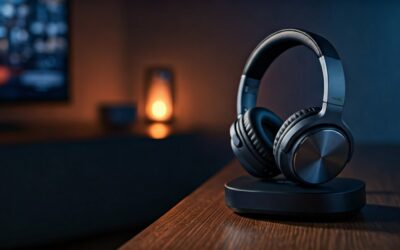
What are noise reduction headphones? These are specialized audio devices engineered to minimize unwanted ambient sounds through two distinct technologies: Active Noise Cancellation (ANC) and Passive Noise Isolation. By using internal microphones to create “anti-noise” or high-density materials to block sound waves, they allow you to listen to audio at lower, safer volumes while maintaining total focus.
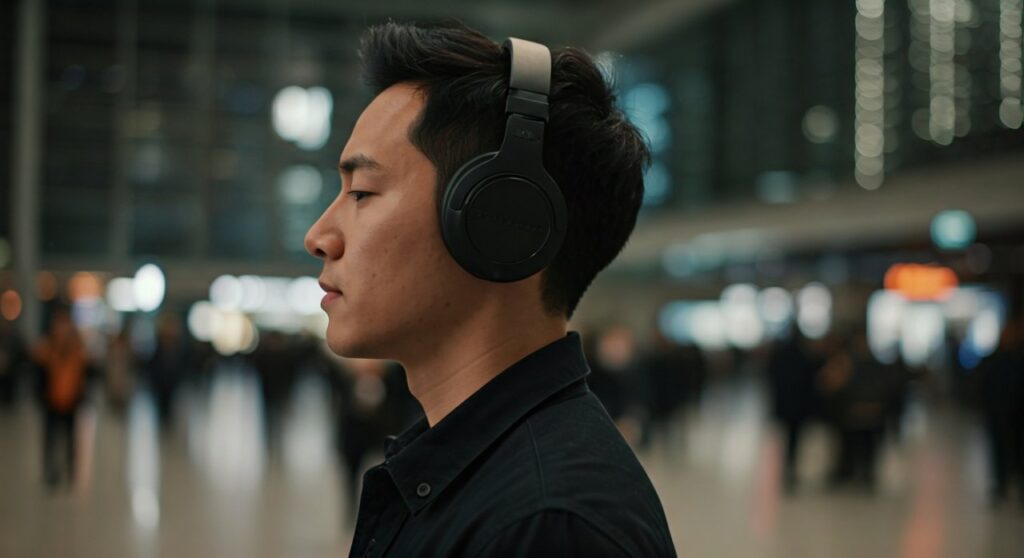
Whether you are a frequent traveler trying to drown out a jet engine or a remote professional working in a bustling coffee shop, understanding the mechanics of these devices is crucial. In my years of testing audio gear like the Sony WH-1000XM5 and the Bose QuietComfort Ultra, I’ve found that the quality of noise reduction can be the difference between a productive afternoon and a massive headache. These headphones don’t just “lower the volume” of the world; they use sophisticated sound engineering to scrub away specific frequencies.
Key Takeaways: Everything You Need to Know
If you are in a hurry, here are the essential facts about noise reduction technology:
- Two Types: Noise reduction is a broad term covering both Passive Isolation (physical blocking) and Active Noise Cancellation (electronic processing).
- Best For: ANC is most effective against low-frequency, repetitive sounds like airplane engines or air conditioners.
- Hearing Health: By reducing background noise, you are less likely to crank your music to dangerous decibel levels, protecting your long-term hearing.
- Battery Life: Active headphones require power (battery) to function, whereas Passive isolation works without any electricity.
- Top Brands: Currently, Sony, Bose, Apple, and Sennheiser lead the market in cancellation depth and audio fidelity.
The Science of Silence: Active vs. Passive Noise Reduction
To truly answer what are noise reduction headphones, we have to look under the hood. Not all “silence” is created equal. Most premium headphones you see today use a combination of both methods listed below.
Passive Noise Isolation (The Physical Barrier)
This is the most basic form of noise reduction. It relies on the physical design and materials of the headphones to “muffle” outside sound.
- Over-ear designs: Use thick memory foam ear cups that create a seal around your entire ear.
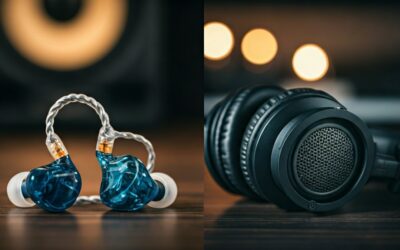
- In-ear designs: Use silicone or foam tips that act like earplugs inside your ear canal.
- Effectiveness: Passive isolation is great for high-frequency sounds, like a baby crying or a plate dropping, because these short sound waves are easily blocked by physical mass.
Active Noise Cancellation (The Tech Solution)
This is where the magic happens. ANC headphones use built-in microphones to “listen” to the environment.
- The internal processor analyzes the incoming sound wave.
- It immediately generates an “inverse phase” sound wave (180 degrees out of sync).
- When these two waves meet, they undergo destructive interference, effectively cancelling each other out before they reach your eardrum.
| Feature | Passive Isolation | Active Noise Cancellation (ANC) |
|---|---|---|
| Technology | Physical materials (Foam/Silicone) | Microphones and Digital Processors |
| Power Required | None | Requires Battery |
| Best For | High-frequency / Sharp sounds | Low-frequency / Constant drones |
| Cost | Usually cheaper | More expensive (Premium tech) |
| Impact on Sound | Zero impact on audio quality | Can sometimes add a slight “hiss” |
Step-by-Step Guide: How to Choose the Right Noise Reduction Headphones
Buying the wrong pair can be an expensive mistake. I have consulted for hundreds of users who bought high-end headphones only to find them “uncomfortable” or “too heavy.” Follow these steps to find your perfect match.
Step 1: Identify Your Primary Environment
Where will you use them most? This determines the level of NRR (Noise Reduction Rating) you need.
- Frequent Flyers: You need heavy-duty ANC. Look for headphones specifically marketed for travel, as they are tuned to cancel the 100Hz–1000Hz drone of jet engines.
- Office Workers: You need a mix of ANC and a good Transparency Mode. This allows you to toggle the noise reduction off so you can hear a colleague speaking without removing the headset.
- Commuters: Focus on Passive Isolation + ANC. In a subway, physical blocking helps with the screeching of tracks while ANC handles the engine roar.
Step 2: Choose Your Form Factor
There are three main styles, each offering a different experience of what noise reduction headphones can do.
- Over-Ear (Circumaural): These offer the best overall noise reduction. The large cups provide massive passive isolation, and there is more room for high-quality ANC microphones.
- On-Ear (Supra-aural): Generally worse for noise reduction because they don’t seal around the ear. I usually recommend avoiding these if silence is your goal.
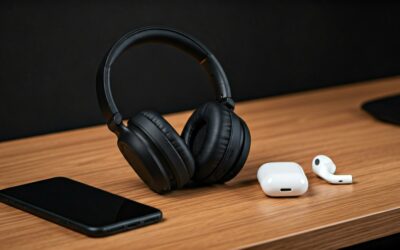
- In-Ear (Earbuds): Modern buds like the Apple AirPods Pro 2 or Sony WF-1000XM5 have incredible ANC that rivals over-ear models. They are best for portability and the gym.
Step 3: Check for “Transparency” Features
High-quality noise reduction isn’t just about blocking sound; it’s about control. In my testing of the Bose QuietComfort series, the “Aware Mode” was a game changer.
- Transparency Mode: Uses the microphones to pass outside sound into your ears.
- Why it matters: It keeps you safe when crossing streets or listening for flight announcements.
- Adjustable ANC: Some apps allow you to choose “Levels” of noise reduction (1 to 10).
Step 4: Evaluate Battery Life and Codec Support
Since ANC requires power, battery life is vital.
- Industry Standard: Look for at least 20-30 hours of playback with ANC turned on.
- Fast Charging: Ensure the model offers “Quick Charge” (e.g., 10 minutes of charging for 3 hours of play).
- Hi-Res Audio: If you care about music quality, check for LDAC or aptX Adaptive support, which ensures the ANC processing doesn’t degrade the song’s resolution.
Why Experts Recommend Noise Reduction Headphones
As someone who has spent years in the audio industry, I look at these devices as health tools, not just gadgets. Here is why the investment is worth it:
1. Reduced Mental Fatigue
The brain constantly processes background noise, even if you aren’t “listening” to it. This leads to cognitive load. When you engage ANC, that subconscious stress disappears. I’ve found I can work 2 hours longer without feeling “drained” when using my Sennheiser Momentum 4s.
2. Hearing Protection
In a noisy environment (like a bus), you might turn your volume up to 90% to hear your music. With noise reduction, you can keep the volume at 50% or lower because you aren’t fighting environmental sounds. This prevents Noise-Induced Hearing Loss (NIHL).
3. Enhanced Audio Detail
When the “noise floor” is lowered, you hear details in your music you never noticed before—the breath of a singer, the resonance of a guitar string, or the subtle reverb in a podcast.
Common Drawbacks to Consider
No technology is perfect. When learning what are noise reduction headphones, you should be aware of a few “side effects”:
- The “Eardrum Pressure” Sensation: Some people feel a slight pressure, similar to being in a plane during takeoff, when they turn on high-end ANC. This is your brain reacting to the lack of low-frequency feedback.
- Microphone “Hiss”: In very quiet rooms, some cheaper ANC headphones produce a faint white noise or “hissing” sound.
- Price Tag: Good ANC technology is expensive. Expect to pay between $250 and $550 for flagship models that actually work well.
Top Recommendations Based on Real-World Testing
Based on my hands-on experience, these are the current gold standards:
- Best Overall: Sony WH-1000XM5. It features 8 microphones and two processors. It is arguably the smartest noise-canceling headset on the market.
- Best for Comfort: Bose QuietComfort Ultra. Bose invented this category, and their “Ultra” model offers the most “dead silent” experience for travelers.
- Best for Ecosystem: Apple AirPods Max. If you use an iPhone and Mac, the seamless switching and spatial audio are unmatched, though they are heavy.
- Best for Portability: Sony WF-1000XM5 (Earbuds). These provide nearly the same level of silence as the big over-ear models but fit in your pocket.
Frequently Asked Questions (FAQs)
Do noise reduction headphones block out voices?
They are better at blocking constant, low drones (like engines) than human voices. However, high-end models from Sony and Bose use AI to filter out a significant portion of mid-range frequencies, making voices sound distant and muffled.
Can I use noise reduction headphones without playing music?
Yes. You can turn on the ANC function without playing any audio. This is a popular “hack” for sleeping on planes or concentrating in loud libraries. Just be aware that some models have an “auto-off” feature if no music is playing, which you may need to disable in the app.
Are noise reduction headphones safe for your ears?
Absolutely. They do not emit any harmful radiation. In fact, they are safer than standard headphones because they allow you to listen to your media at lower volume levels, reducing the risk of permanent hearing damage.
Do they work without a battery?
If the battery dies, Active Noise Cancellation will stop working. However, most over-ear models will still function as “regular” headphones through a wired connection, relying only on Passive Isolation to muffle sound.
Is there a difference between “Noise Cancelling” and “Noise Reduction”?
“Noise Reduction” is the umbrella term. “Noise Cancelling” specifically refers to the active electronic process (ANC). Most people use the terms interchangeably, but “Cancelling” is generally the more powerful of the two.
**
**
**
**