Understanding What Are Projector Headlights: A Comprehensive Guide
If you are tired of dim, scattered light on the road that leaves you guessing what is around the next corner, you are likely ready for an upgrade. Projector headlights are the gold standard for modern automotive lighting, offering a focused, intense beam that significantly improves night visibility. Unlike traditional reflector housings that scatter light in all directions, these systems use a specialized lens to direct light precisely where you need it most. By understanding what are projector headlights, you can make an informed decision about your next vehicle purchase or lighting upgrade.
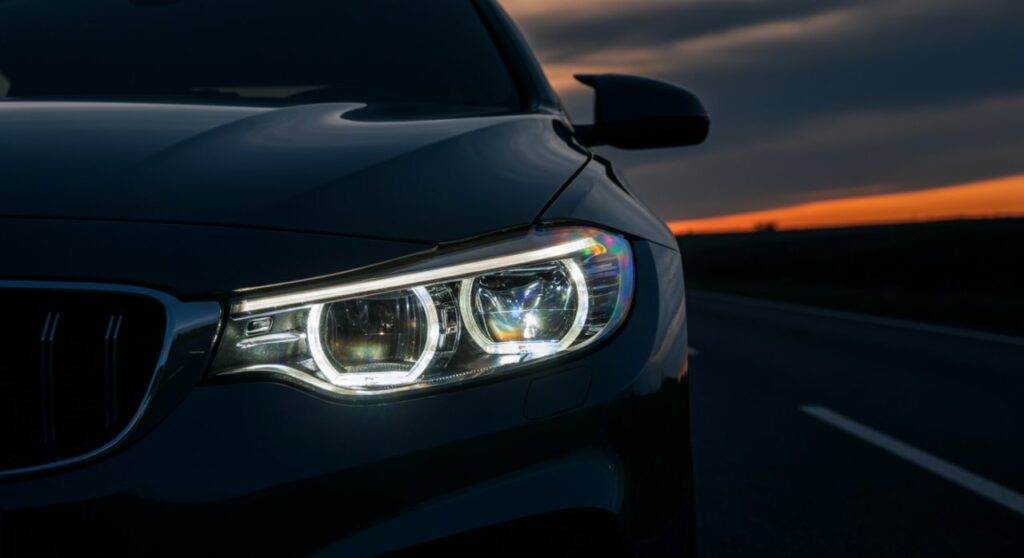
TL;DR: Key Takeaways
- What are projector headlights? They are a type of automotive lighting system that uses a lens to focus light into a sharp, controlled beam.
- Performance: They offer superior output compared to standard reflector headlights, minimizing glare for oncoming drivers.
- Technology: These systems can house Halogen, HID (Xenon), or LED bulbs, making them highly versatile.
- Visual Appeal: They provide a sleek, modern, and aggressive look to the front end of any vehicle.
How Do Projector Headlights Work?
To truly grasp what is a projector headlight, you need to look inside the housing. A projector system consists of four primary components: the light source (bulb), a parabolic reflector, a metal shield (cut-off shield), and a convex lens.
The Mechanism of Illumination
When the bulb ignites, the parabolic reflector collects the raw light and pushes it forward. However, instead of shining directly onto the road, the light hits a precision-engineered cut-off shield.
- The Cut-off Shield: This metal plate blocks the upper portion of the light beam. This is what creates that sharp, distinct horizontal line you see on the wall in front of a parked car.
- The Lens: The remaining light passes through a convex lens, which magnifies and focuses the beam.
- Result: This process results in a high-intensity, uniform spread of light that illuminates the road without blinding oncoming traffic.
Comparing Reflector vs. Projector Headlights
When researching what is projector headlamp technology, the most common point of comparison is the older reflector headlight design. Most budget-friendly or older vehicles utilize reflector housings, which are cheaper to manufacture but offer less control.
| Feature | Reflector Headlights | Projector Headlights |
|---|---|---|
| Light Control | Broad, less focused | Highly precise, focused |
| Beam Pattern | Can have “hot spots” | Uniform and wide |
| Glare Potential | Higher for other drivers | Very low (due to cut-off) |
| Aesthetic | Traditional look | Modern, high-end look |
| Cost | Low | Higher |
Are Projector Headlights LED?
A common point of confusion for consumers is asking, “are projector headlights LED?” The answer is that the projector is the housing type, not the light source.
While many modern vehicles come equipped with LED projectors from the factory, a projector housing can technically use several different types of bulbs:
- Halogen Projectors: Often found on entry-level models; they use standard filament bulbs.
- HID (Xenon) Projectors: Utilize high-intensity discharge gas for a brighter, cooler blue-white light.
- LED Projectors: The current industry standard for efficiency, longevity, and brightness.
Advantages of Upgrading to Projector Systems
If you are considering a retrofit or choosing an option package, there are tangible benefits to choosing projector housings. Based on my experience testing various lighting setups, the difference is night and day.
- Increased Safety: The sharp cut-off line allows you to use brighter bulbs (like HID or LED) without irritating other motorists.
- Better Distance Projection: The focused beam reaches further down the road, giving you more time to react to obstacles.
- Customization: Enthusiasts often perform “retrofits” to install high-performance lenses, allowing for a personalized light pattern.
- Durability: Because the lens protects the internal components, the housing remains cleaner over time compared to open-reflector designs.
Frequently Asked Questions
Can I install projector headlights in a car that came with reflector lights?
Yes, you can, but it requires a “retrofit” process. This involves opening your existing headlight housing and mounting a projector assembly inside, or purchasing a complete aftermarket projector headlight assembly designed specifically for your vehicle’s make and model.
Do projector headlights require special maintenance?
Generally, no. However, over time, the polycarbonate lens can suffer from oxidation or UV damage, causing the plastic to turn yellow or cloudy. Using a headlight restoration kit or applying a UV-protective sealant will keep them crystal clear.
Why do some projector headlights have a blue-ish line at the top?
That is known as the “color flicker” or “rainbow effect.” It is caused by the light refracting against the edge of the cut-off shield inside the projector lens. It is purely cosmetic and often seen as a sign of high-quality optics.
What is the difference between projector and reflector headlamps regarding brightness?
Projectors are not necessarily “brighter” by default, but they are more efficient. Because they focus light better, they put more usable light on the road where you actually need it, rather than wasting light on trees, signs, or the eyes of oncoming drivers.