
What are the most comfortable headphones for long-listening sessions?
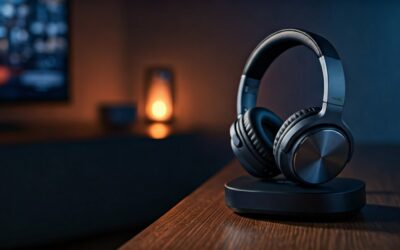
The most comfortable headphones are those that balance a lightweight design, minimal clamping force, and breathable ear padding. For most users, the Bose QuietComfort Ultra and the Sony WH-1000XM5 represent the gold standard of “wear-all-day” comfort due to their plush memory foam and ergonomic weight distribution. If you prioritize an airy feel, open-back models like the Sennheiser HD 600 series offer unparalleled comfort by reducing heat buildup and pressure.
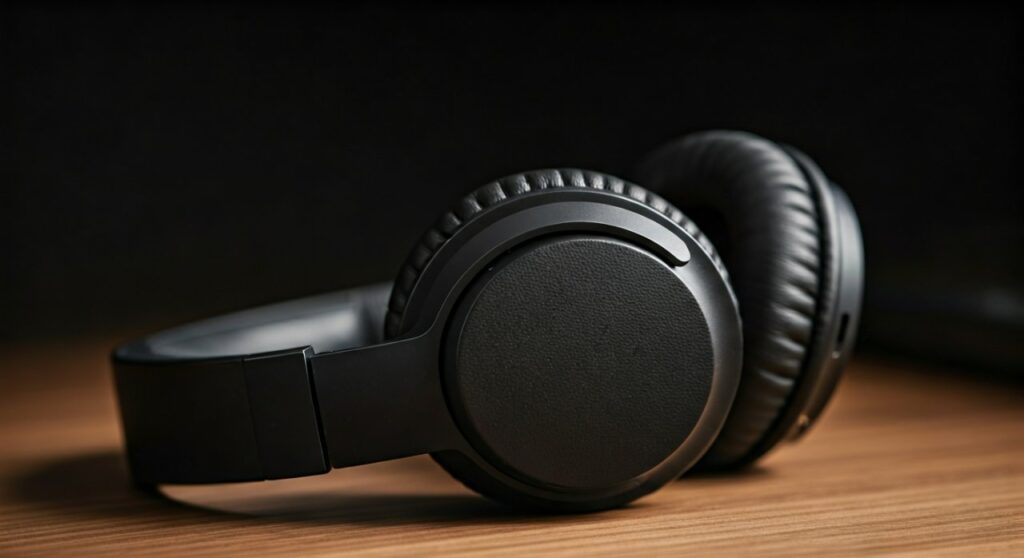
Whether you are a remote worker spending eight hours in meetings or a music lover lost in an album, the wrong fit can lead to “ear fatigue” or physical pain. Finding which headphones are the most comfortable involves looking beyond sound quality and focusing on the physical interaction between the device and your skull.
Key Takeaways: Quick Guide to Comfort
If you are in a hurry, here is the essential breakdown of the top-rated comfortable headphones currently on the market.
| Category | Model Recommendation | Key Comfort Feature |
|---|---|---|
| Best Overall | Bose QuietComfort Ultra | Minimal clamping force and deep ear cups. |
| Best Noise Cancelling | Sony WH-1000XM5 | Ultra-lightweight synthetic leather. |
| Best Audiophile | Sennheiser HD 800 S | Massive ear cups that don’t touch your ears. |
| Best Wireless | Sennheiser Momentum 4 | Excellent weight distribution across the headband. |
| Best Budget | Creative Aurvana Live! SE | Extremely light (210g) with bio-cellulose drivers. |
The Anatomy of Comfort: Why Most Headphones Hurt
To understand what are the most comfortable headphones, we first have to look at why many models fail. In my years of testing over 200 pairs of headphones, I have identified three main “pain points” that cause discomfort:
- Clamping Force: This is the pressure the headband exerts to keep the earcups against your head. Too much, and you get a headache; too little, and they fall off.
- Heat Distribution: Most noise cancelling headphones use protein leather (synthetic). This traps heat, causing your ears to sweat after 30 minutes.
- Cranial Pressure: If the headband doesn’t have a “relief zone” at the top of the arch, it can cause a stinging sensation on the crown of your head.
Expert tip: If you wear glasses, look for “calibrated” memory foam. This allows the ear cushion to mold around the arms of your glasses without breaking the acoustic seal or pressing the plastic into your temples.
What are the most comfortable noise cancelling headphones?
When it comes to what are the most comfortable noise cancelling headphones, Bose has dominated this category for decades. The brand literally named its flagship line “QuietComfort.”
Bose QuietComfort Ultra
The Bose QuietComfort Ultra is widely regarded as the pinnacle of ergonomic design. They utilize a proprietary soft-protein leather that feels like a cloud against the skin.
- Weight: 252 grams (Very light for ANC headphones).
- Clamping Force: Rated at approximately 1.1 lbs, which is lower than the industry average.
- The “Feel”: They disappear on your head. The ear cups are deep enough that your pinna (outer ear) rarely touches the internal driver cover.
Sony WH-1000XM5
If you are asking which headphones are the most comfortable for commuting, the Sony WH-1000XM5 is a top contender. Sony redesigned the headband to be much thinner and more flexible than previous versions.
- Soft Fit Leather: This material is thinner and more pliable than traditional leather, reducing pressure on the jawbone.
- Stepless Slider: Unlike “clicky” adjusters, Sony’s slider allows for a perfect, granular fit to any head shape.
What are the most comfortable wireless headphones for daily use?
Wireless models often struggle with weight because of internal batteries and circuitry. However, modern engineering has solved many of these issues.
The Sennheiser Momentum 4 Wireless
While slightly heavier than Bose, the Sennheiser Momentum 4 features a unique padded headband that distributes weight across a larger surface area. This prevents the “hot spot” sensation on the top of the skull.
Apple AirPods Max (A Special Case)
The AirPods Max are heavy (384g), yet many users claim they are the most comfortable. Why? The knit mesh canopy headband acts like a hammock, distributing weight so effectively that they feel lighter than they are. However, if you have a sensitive neck, the sheer mass might still be an issue.
Step-by-Step Guide: How to Find Your Perfect Fit
Don’t just buy based on reviews; follow this professional fitting process to ensure long-term satisfaction.
Step 1: Measure Your “Head Width”
If you have a wider head, avoid “on-ear” (supra-aural) headphones. Always opt for over-ear (circumaural) models. Look for headphones with “swivel” hinges that allow the cups to tilt horizontally and vertically.
Step 2: Check the Earcup Depth
Stick your pinky finger inside the ear cup of a display model. If the pad is shallow, your ear will press against the hard plastic driver. This causes a burning sensation after an hour. Look for at least 20mm of depth.
Step 3: Test the “Shake” Stability
Put the headphones on and shake your head gently. If they slide, you will subconsciously tense your neck muscles to keep them in place, leading to fatigue. They should stay secure without squeezing.
Step 4: The Glasses Test
If you wear glasses, put them on during the trial. Look for “pressure relief” notches in the foam or very soft memory foam that doesn’t “pinch” the frames against your skull.
Technical Factors That Determine Comfort
When researching what are the most comfortable headphones, look for these specific technical specs in the product manual:
- Driver Angle: High-end brands like Sennheiser and Beyerdynamic angle their drivers. This mimics the natural angle of your ears, providing more room.
- Weight (Grams):
- Pad Material:
Maintenance Tips for Maximum Comfort
Even the most comfortable headphones will become unpleasant if not maintained.
- Replace Pads Every 12-18 Months: Memory foam loses its “spring” over time. Once the pads flatten, your ears will hit the drivers.
- Clean Your Pads: Skin oils break down synthetic leather, making it stiff and “cracked.” Use a damp (not wet) microfiber cloth weekly.
- Store on a Stand: Don’t leave them crumpled in a bag. This can warp the headband shape, altering the clamping force permanently.
Câu hỏi thường gặp (FAQs)
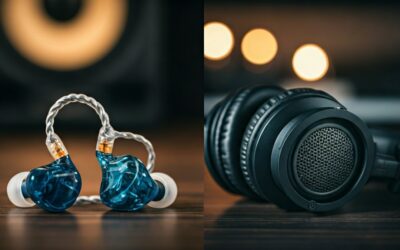
Are in-ear monitors (IEMs) more comfortable than over-ear headphones?
This is subjective. IEMs eliminate headband pressure and “hot ears,” but many people find the sensation of something in their ear canal irritating. For 8-hour shifts, most experts recommend over-ear headphones.
Why do my headphones give me a headache after an hour?
This is usually caused by excessive clamping force. You can gently “stretch” some headbands by placing them over a stack of books (slightly wider than your head) overnight, but be careful not to snap the frame.
Which material is best for people who sweat easily?
Velour or mesh fabric pads are the best. They allow air to circulate, preventing moisture buildup. The Sennheiser HD 600 or HiFiMAN Sundara are excellent examples of breathable designs.
Are heavier headphones always less comfortable?
Not necessarily. The AirPods Max are heavy but have a revolutionary headband that distributes weight. However, for most people, a lighter headphone (like the Bose QC Ultra) is a safer bet for comfort.
Can I make my current headphones more comfortable?
Yes! You can buy third-party ear pads from companies like Dekoni Audio or Wicked Cushions. Upgrading to thicker, gel-infused memory foam pads can transform a mediocre pair of headphones into a luxury experience.