

Understanding What Can You Use on Glasses Stems for Headphones
To alleviate the pain caused by headphones pressing against your eyewear, you can use soft foam cushions, silicone ear hooks, moleskin tape, or specialized microfiber sleeves on your glasses stems. These accessories act as a protective barrier, redistributing the clamping force of the headphone earcups and preventing the stems from digging into your temples or the back of your ears.
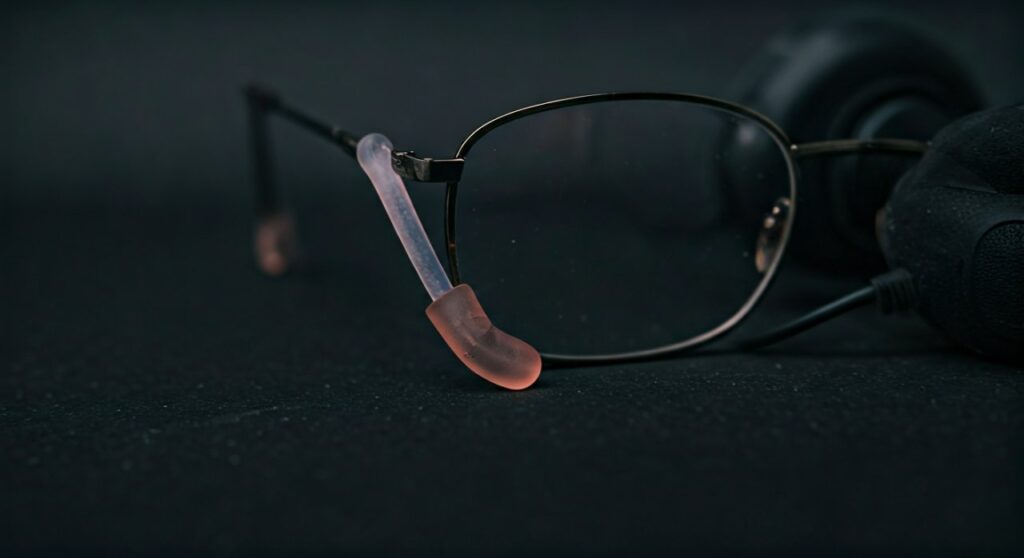
If you have ever felt that throbbing ache behind your ears after just thirty minutes of gaming or working, you are experiencing “clamping force” friction. As someone who has worn thick-rimmed acetate glasses while testing high-end audiophile headphones for over a decade, I know that the struggle is real. The pressure doesn’t just hurt; it can actually bend your frames or break the acoustic seal of your headphones, ruining your sound quality.
Key Takeaways: Quick Comfort Fixes
If you are in a rush, here is the essential breakdown of what you can use on your glasses stems right now:
- Best for Maximum Cushioning: Adhesive foam pads or memory foam sleeves.
- Best for Discreet Looks: Clear silicone ear hooks or anti-slip grips.
- Best DIY Solution: Moleskin tape (found in the foot-care section of pharmacies).
- Best for Stability: Silicone comfort loops that anchor the glasses in place.
- Pro Tip: If your headphones have high clamping force, look for angled ear cushions to complement your stem modifications.
Why Headphones and Glasses Conflict: The Science of Pressure
Before we dive into the solutions, it is vital to understand why this pain happens. Most headphones are designed with a specific clamping force measured in Newtons (N). This force ensures the headphones stay on your head and create a seal for bass response.
When you insert a pair of glasses stems between your skull and the headphone padding, you create a “pressure point.” The temporal bone is covered by a very thin layer of skin and nerves. Continuous pressure here restricts blood flow and irritates the auriculotemporal nerve, leading to what many call a “headphone headache.”
Using materials on your glasses stems helps by increasing the surface area of the contact point. This lowers the pressure per square inch, allowing you to wear your gear for hours without discomfort.
Top 5 Materials to Use on Glasses Stems for Headphones
Silicone Ear Hooks and Grips
Silicone ear hooks are perhaps the most popular choice for glasses wearers. They are inexpensive, waterproof, and come in various thicknesses.
- How they work: You slide these soft silicone pieces onto the tips of your stems. They provide a soft, rubbery buffer between the hard plastic of your glasses and your head.
- Expert Insight: I recommend the anti-slip variety. Not only do they add comfort, but they also stop your glasses from sliding down your nose when the headphones shift.
Microfiber or Fabric Sleeves
Often marketed as “ear socks,” these are tiny fabric tubes that slide over the entire length of the glasses stem.
- Benefits: Fabric is much more breathable than silicone. If you sweat while wearing headphones (common with protein leather pads), fabric sleeves prevent the “sticky” feeling.
- Brand Recommendation: Look for brands like Keepons or generic “eyeglass ear socks” on Amazon.
Adhesive Foam Padding
This is a “hack” used by many professional pilots who wear heavy aviation headsets for 8-hour shifts.
- Application: You apply small strips of high-density foam directly to the part of the stem that sits above your ear.
- Why it works: Foam compresses much more than silicone, allowing the headphone cushion to “mold” around the glasses stem rather than being pushed away by it.
Moleskin Tape (The DIY Secret)
If you don’t want to buy a specific “product,” go to a pharmacy and buy Dr. Scholl’s Moleskin.
- The Method: Cut a thin strip and wrap it around the temple of your glasses.
- The Result: Moleskin has a soft, felt-like texture and a very slim profile. It provides enough padding to kill the pain without making your glasses look bulky.
Eyeglass Ear Cushions (Large Foam Loops)
These look like mini pillows for your glasses. They are larger than standard grips and are designed specifically for heavy-duty pressure relief.
- Best Use Case: Use these if you have thick, heavy frames or if you use closed-back headphones with very tight headbands (like the Sennheiser HD 280 Pro).
Comparison of Glasses Stem Comfort Solutions
| Material Type | Comfort Level | Durability | Visibility (Stealth) | Best For |
|---|---|---|---|---|
| Silicone Hooks | High | Excellent | High (Clear options) | Daily office use/Gaming |
| Fabric Sleeves | Medium | Good | Low (Bulky) | Gym/Sweaty environments |
| Moleskin Tape | High | Moderate | Medium | Custom DIY fitting |
| Foam Pads | Very High | Low | Low | Long-haul flights/Studying |
| Ear Socks | Medium | High | Medium | Preventing frame scratches |
Step-by-Step Guide: How to Apply Moleskin to Glasses Stems
Applying padding incorrectly can make your glasses sit crookedly. Follow this expert method for the best results:
- Identify the Pressure Point: Put on your glasses and headphones. Use your finger to feel exactly where the headphone cushion pushes the stem into your head. Mark this spot lightly with a pencil on the stem.
- Clean the Stems: Use an alcohol wipe to remove oils and skin cells from the glasses’ temples. This ensures the adhesive bonds properly.
- Cut the Moleskin: Cut a piece of moleskin tape approximately 1 inch long and just wide enough to wrap around the stem once.
- Rounded Edges: Trim the corners of the tape to be rounded. Sharp corners peel off much faster than rounded ones.
- Wrap and Set: Wrap the tape tightly around the stem at your marked pressure point. Press firmly for 30 seconds to set the adhesive.
Expert Tips for Maximum Comfort
Beyond just adding things to your glasses stems, you can optimize your setup with these professional strategies:
Choose “Glasses-Friendly” Replacement Pads
Some companies, like Dekoni Audio or Brainwavz, create ear pads with “relief cuts” or softer foam specifically for glasses wearers. If you combine these with silicone stem covers, you will achieve a “zero-pressure” fit.
Adjust Your Headphone Tension
If your headphones are too tight, no amount of padding on your glasses will help. You can gently stretch the headband of many headphones by placing them over a stack of books (slightly wider than your head) overnight. Warning: Do not do this with plastic headbands as they may snap; this is strictly for metal-reinforced headbands.
Opt for Thin Metal Frames
If you are a frequent headphone user, consider your frame choice. Thin titanium frames have a much lower profile than thick acetate frames. The thinner the stem, the less it interferes with the headphone’s acoustic seal.
Common Mistakes to Avoid
- Using Tape with Residue: Avoid using electrical tape or duct tape. The adhesive will melt from your body heat and leave a sticky mess on your hair and frames.
- Over-Padding: Adding too much bulk to the stems can lift the headphone pads away from your head. This creates a “gap” that lets sound leak out and destroys the bass response.
- Ignoring Hygiene: Silicone and foam covers trap sweat and skin oils. Clean them weekly with mild soap and water to prevent skin irritation or breakouts behind the ears.
FAQs About Using Accessories on Glasses Stems
Can I use these solutions with VR headsets?
Yes. VR headsets like the Meta Quest 3 or Valve Index exert even more pressure than standard headphones. Silicone ear hooks are highly recommended for VR users to keep glasses stable during movement.
Will adding padding to my glasses ruin the sound quality?
If the padding is too thick, it may create a gap in the earcup seal. This leads to bass roll-off. Stick to slim materials like moleskin or thin silicone to maintain a proper acoustic seal.
How often should I replace foam glasses cushions?
Foam is porous and will eventually compress and lose its “rebound.” For daily users, I recommend replacing foam cushions every 2 to 3 months for hygiene and comfort.
Are there headphones designed specifically for glasses?
Yes, brands like Razer feature “ProSpecs” technology, which uses softer foam in the area where glasses stems typically rest. However, aftermarket stem covers are usually a cheaper and more versatile solution for your existing headphones.
Does the material of my glasses frames matter?
Absolutely. Metal frames are generally easier to mod with silicone tips. Plastic frames are thicker and may require wider fabric sleeves or adhesive foam rather than slide-on hooks.









