
Why Do Headphones Hurt My Ears? The Science of Comfort and Pressure
Headphones hurt your ears because of excessive clamping force, poorly sized earcups, or trapped heat that irritates the sensitive cartilage of your pinna. If you are asking “why do headphones hurt my ears,” the most common culprit is a mechanical mismatch between the headphone’s frame and your unique cranial anatomy. Additionally, Active Noise Cancellation (ANC) can cause a “cabin pressure” sensation that leads to headaches or inner ear discomfort for sensitive users.
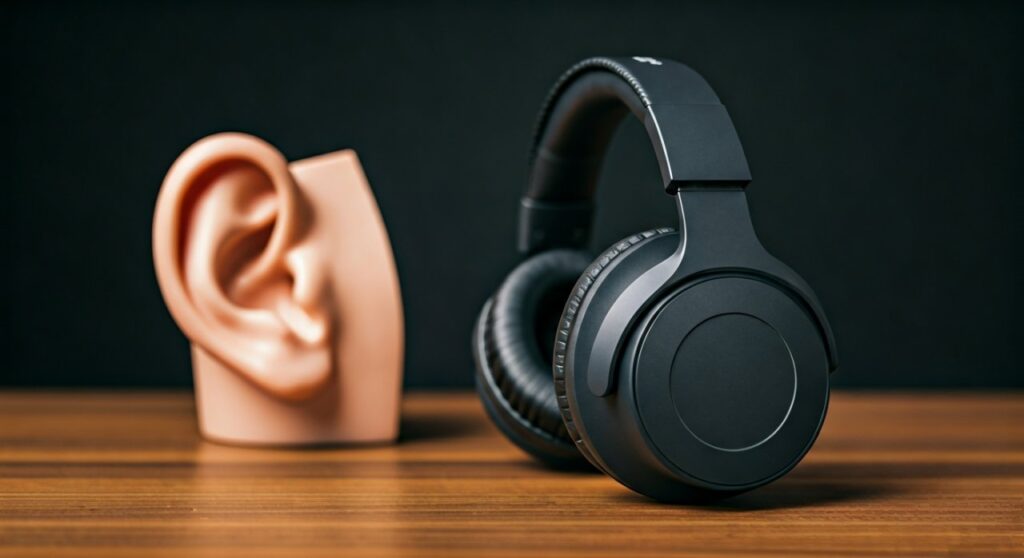
In this guide, we will break down the physiological and mechanical reasons for this discomfort and provide a professional framework for achieving a pain-free listening experience.
Key Takeaways: How to Stop the Pain
If you are in a rush, here are the primary reasons and quick fixes for ear pain:
- Clamping Force: Many new headphones exert too much pressure on the temporal bone and outer ear. Stretching them over a stack of books can help.
- Driver Depth: If your ears touch the hard plastic of the internal driver, you need thicker aftermarket ear pads.
- Earcup Shape: Circular cups often pinch the ears; oval-shaped cups generally follow the natural ear anatomy better.
- ANC Sensitivity: High-end noise-cancelling headphones can cause “eardrum suck” due to low-frequency vibrations.
- Hygiene: Bacteria buildup on protein leather (pleather) pads can cause skin irritation or infections.
Why Do My Ears Hurt When I Wear Headphones? Understanding the Anatomy
The human ear is a complex structure made primarily of cartilage, which has limited blood flow and is highly sensitive to sustained pressure. When you wear headphones, several factors interact with your anatomy to cause pain.
Compression of the Pinna (Outer Ear)
Most users who complain that “why do my outer ears hurt when i wear headphones” are using on-ear (supra-aural) models. These sit directly on the cartilage. Sustained pressure restricts blood flow, leading to a dull, aching pain known as chondritis.
Temporal Bone Pressure
The “why do headphones hurt my head” sensation often stems from the clamping force applied to the temporal bone. This pressure can trigger tension headaches or irritate the temporomandibular joint (TMJ), making it painful to even open your mouth while listening.
Friction and Moisture
Heat buildup inside the earcup causes the skin to sweat. This moisture, combined with the friction of the earcup material, can lead to contact dermatitis or localized skin rashes.
Why Do Noise Cancelling Headphones Hurt My Ears?
A frequent question among premium users is “why do noise cancelling headphones hurt my ears” even when the fit seems perfect. This is rarely a physical fit issue and more of an acoustic phenomenon.
Active Noise Cancellation (ANC) works by emitting an “anti-noise” frequency that cancels out external sounds. However, your brain can perceive the lack of low-frequency ambient sound as a change in atmospheric pressure.
This is often referred to as “eardrum suck.” Your inner ear attempts to equalize pressure as if you were on a descending airplane, leading to a feeling of fullness or a mild headache. If you experience this, try lowering the ANC intensity in your headphone’s companion app (such as the Sony Headphones Connect or Bose Music App).
Comparing Headphone Types and Their Pain Points
| Headphone Type | Primary Pain Source | Best For | Comfort Rating |
|---|---|---|---|
| Over-Ear (Circumaural) | Weight & Heat | Home/Studio | ⭐⭐⭐⭐⭐ |
| On-Ear (Supra-aural) | Cartilage Compression | Commuting | ⭐⭐ |
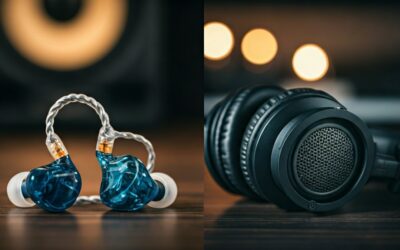
| In-Ear (IEMs) | Ear Canal Irritation | Sports/Portability | ⭐⭐⭐ |
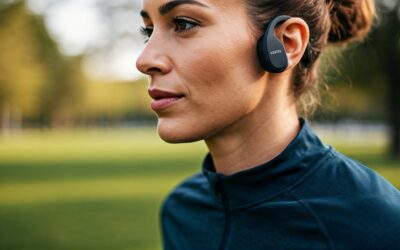
| Bone Conduction | Temporal Vibration | Outdoor Safety | ⭐⭐⭐⭐ |
Detailed Causes: Why Does My Ear Hurt After Wearing Headphones?
Beyond simple pressure, several technical factors contribute to why your ears might ache after a session.
Poor Earcup Depth
If the padding is too thin, the antihelix or helix of your ear will press against the hard plastic cover of the driver. This is a common issue with budget models or older headphones where the foam has compressed over time.
Spectacle Interference
For those who wear glasses, the headphone pads press the temple arms of the glasses into the side of the head. This creates a localized pressure point that can become unbearable after just 30 minutes.
The “New Headphone” Clamping Force
Manufacturers often design headphones with a high clamping force to ensure they don’t fall off during movement. This is why “why do my headphones hurt my ears” is a common complaint for the first two weeks of ownership. Most headphones require a break-in period for the headband spring to loosen.
Step-by-Step Guide to Fixing Headphone Pain
If you are currently suffering, follow these professional steps to diagnose and fix the issue.
Step 1: Adjust the Headband Length
Most people pull the earcups too low. This shifts the entire weight of the headphones onto your ears rather than distributing it across the cushioned headband.
- Action: Shorten the headband so the top strap carries 90% of the weight. The cups should “float” around your ears, not hang on them.
Step 2: The “Book Stretch” Technique
If the clamping force is the reason why headphones hurt my head, you need to manually loosen the metal or plastic spring.
- Action: Place your headphones over a stack of books that is slightly wider than your head. Leave them there overnight. Be careful not to overstretch and snap the headband.
Step 3: Upgrade to Aftermarket Pads
Standard pads are often made of cheap foam. Brands like Dekoni Audio, Brainwavz, or Wicked Cushions offer memory foam replacements.
- Action: Look for Angled Sheepskin or Cooling Gel pads. These provide more depth (preventing your ear from touching the driver) and better heat dissipation.
Step 4: Address the Glasses Issue
If you wear glasses, the seal is broken, and pressure is increased.
- Action: Look for “glasses-friendly” ear pads that feature a relief channel or softer foam where the glasses’ arms sit.
Why Does My Ear Canal Hurt From In-Ear Headphones?
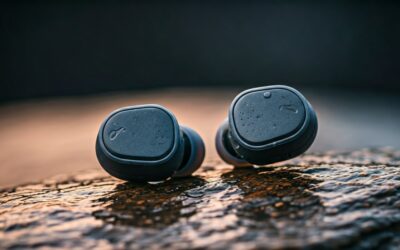
If you prefer earbuds but find that “why does my ear hurt after wearing headphones” still applies, the issue is likely tip sizing or material allergy.
- Wrong Tip Size: Using a silicone tip that is too large puts constant outward pressure on the ear canal.
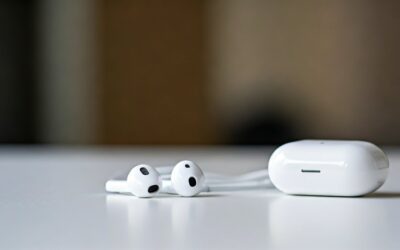
- Silicon Sensitivity: Some users are allergic to the medical-grade silicone used in Apple AirPods Pro or Samsung Galaxy Buds. Switching to Comply Foam Tips often solves this.
- Insertion Depth: Inserting IEMs (In-Ear Monitors) too deeply can irritate the vagus nerve, causing a cough reflex or sharp pain.
Professional Advice for Long-Term Ear Health
As an expert in audio ergonomics, I recommend following the 60/60 Rule: Listen at no more than 60% volume for no more than 60 minutes at a time.
If you find that “why does my ears hurt after wearing headphones” persists even after making adjustments, you may have an underlying condition like Otitis Externa (swimmer’s ear) or a physical sensitivity to the materials.
Frequently Asked Questions (FAQs)
Why do my ears hurt when I wear headphones for only 10 minutes?
This usually indicates an extreme clamping force or a specific pressure point hitting a sensitive part of your ear cartilage. Check if your ears are being folded or tucked by the pads.
Can headphones cause permanent ear shape changes?
While headphones won’t change your bone structure, consistent pressure can cause skin thickening or “cauliflower ear” in extreme, professional cases (like pilots), though this is very rare for casual listeners.
Why does my headphones hurt my ears even with soft pads?
Softness isn’t the only factor. If the pads are soft but too shallow, your ear still hits the hard driver. You need depth and surface area to distribute the weight.
Is it better to use open-back headphones for comfort?
Yes. Open-back headphones (like the Sennheiser HD600 series) allow air to flow freely. This prevents heat buildup and reduces the “pressure” feeling common in closed-back designs.
Why do my outer ears hurt when I wear headphones while lying down?
When lying on your side, the pillow pushes the headphone cup further into your ear, doubling the pressure. Use dedicated sleep headphones or a travel pillow with a hole for your ear if you must listen in bed.
**
**
**
**