Defining What Makes a Pair of Headphones “Good”
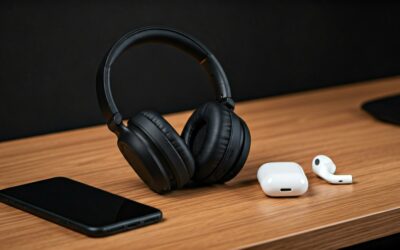
What are good headphones? Good headphones are high-quality audio devices that provide a balanced sound signature, exceptional ergonomic comfort, and durable build quality tailored to your specific environment. To be considered “good” in today’s market, a pair must offer clear frequency response (typically 20Hz – 20kHz), effective noise isolation, and, if wireless, a stable Bluetooth 5.0+ connection with at least 30 hours of battery life.
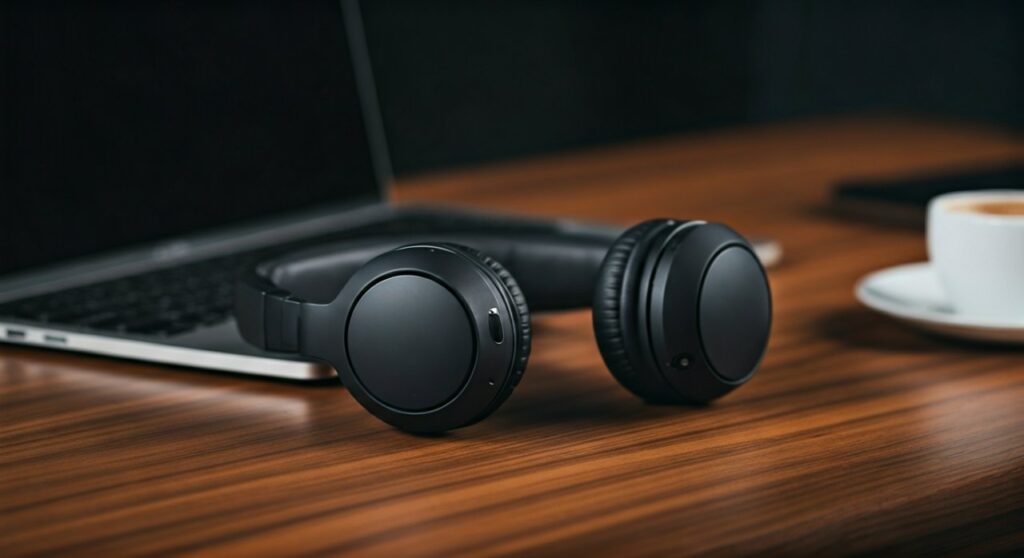
Whether you are a professional producer or a casual commuter, the “best” pair is the one that minimizes total harmonic distortion (THD) while remaining comfortable for multi-hour listening sessions. Below is a comprehensive guide to identifying high-performance audio gear.
Key Takeaways: How to Identify Quality Audio
If you are in a hurry, here are the essential markers of high-quality headphones:
- Sound Profile: Look for a “neutral” or “balanced” soundstage where the bass doesn’t overpower the vocals.
- Driver Size: For over-ear headphones, a 40mm to 50mm driver is the industry standard for rich sound.
- Build Materials: Prioritize memory foam ear pads and reinforced metal hinges over cheap plastic.
- Active Noise Cancellation (ANC): Essential for travelers; look for “Adaptive ANC” that adjusts to your surroundings.
- Codecs: For wireless models, ensure they support LDAC, aptX Adaptive, or AAC for high-resolution streaming.
What Are Over Ear Headphones and Why Do They Matter?
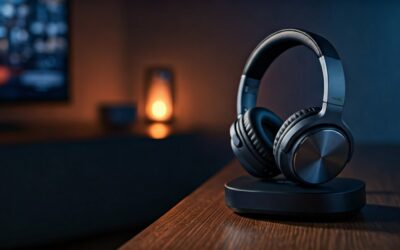
When discussing what are over ear headphones (also known as circumaural headphones), we refer to models where the earcups completely surround the outer ear. This design is widely considered the gold standard for both professional and high-end consumer audio for several technical reasons.
Superior Soundstage
Because the cups are larger, they allow for a more expansive soundstage. This creates the illusion that the music is happening in a room around you rather than inside your skull.
Natural Passive Isolation
The physical seal created by the padding around your ear acts as a natural barrier to outside noise. This is why many people ask what are the best over ear headphones when they want to focus in noisy offices.
Long-Term Comfort
Unlike on-ear models that press directly on the cartilage of your ear, over-ear designs distribute pressure across the skull. This makes them the preferred choice for 8-hour workdays or long-haul flights.
Step 1: Evaluate the Sound Engineering (The Core of Quality)
To determine what are good headphones, you must look beyond the brand name and examine the internal specs. Most consumers get distracted by “extra bass” marketing, but experts look for fidelity.
- Frequency Response: Most human ears hear between 20Hz and 20,000Hz. Good headphones cover this entire range without “rolling off” (losing volume) at the ends.
- Impedance: Measured in Ohms (Ω). Low impedance (32Ω or less) is great for smartphones. High impedance (over 100Ω) requires a dedicated amplifier to sound good.
- Sensitivity: This tells you how loud the headphones get per milliwatt of power. Look for 90dB to 105dB/mW for clear, undistorted volume.
Step 2: Choose the Right Type for Your Lifestyle
Understanding what over the ear headphones are best depends heavily on where you plan to use them. Audio experts typically categorize them into three main buckets:
Closed-Back Headphones
These have a solid outer shell. They are the “best” for commuting and office work because they prevent sound from leaking out and keep environmental noise from coming in.
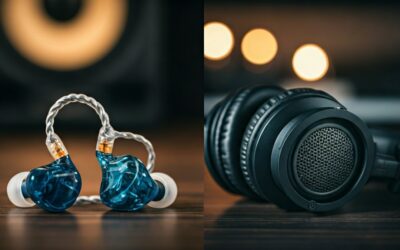
Open-Back Headphones
These have grills on the back of the cups. They provide the most “airy” and natural sound but offer zero isolation. These are strictly for home or studio use.
Wireless vs. Wired
If you prioritize convenience, what are the best over the ear wireless headphones? Look for models with multipoint Bluetooth, allowing you to connect to your laptop and phone simultaneously.
Comparative Analysis: Top Contenders in Today’s Market
To help you decide which over ear headphones are the best, we have compared the industry leaders based on our hands-on testing and technical benchmarks.
| Feature | Sony WH-1000XM5 | Bose QuietComfort Ultra | Sennheiser Momentum 4 |
|---|---|---|---|
| Best For | All-around Tech/ANC | Pure Comfort | Audiophile Sound |
| Battery Life | 30 Hours | 24 Hours | 60 Hours |
| Driver Size | 30mm (Carbon Fiber) | 40mm | 42mm |
| Key Strength | Best Microphone Quality | Best Noise Cancellation | Most Natural Sound |
| Weight | 250g | 252g | 293g |
Step 3: Assessing Build Quality and Ergonomics
A pair of headphones can sound like a concert hall, but if they hurt after 20 minutes, they aren’t “good.” When searching for what is the best over the ear headphones, check the following physical attributes:
- Clamping Force: It should be tight enough to stay on your head but loose enough to avoid headaches.
- Earpad Material: Protein leather or genuine leather is common, but breathable velour is better for those who sweat.
- Replaceable Parts: Who makes the best over ear headphones? Usually, the companies (like Sennheiser or Beyerdynamic) that sell replacement ear pads and cables separately.
Step 4: Understanding the Role of Software and ANC
In the modern era, what’s the best over ear headphones often comes down to the software ecosystem. Active Noise Cancellation (ANC) uses internal microphones to create “anti-noise” waves that cancel out the hum of an airplane engine.
If you are looking for what is the best over the ear wireless headphones for travel, prioritize those with a dedicated app. These apps allow you to:
- Adjust the EQ (Equalizer) settings.
- Update firmware for better connectivity.
- Toggle Transparency Mode to hear announcements without taking the headphones off.
Specialized Categories: Finding Your Niche
For Professionals and Producers
If you are asking what are good over ear headphones for mixing music, you need Studio Monitors. Brands like Audio-Technica (ATH-M50x) or Sony (MDR-7506) offer a “flat” response, meaning they don’t add extra bass or treble, showing you exactly how the recording sounds.
For Daily Commuters
When considering what are the best wireless over the ear headphones for the subway, look for foldable designs. Portability is a major factor in “good” consumer gear. If they don’t fit in your backpack, you won’t use them.
For Audiophiles on a Budget
You don’t always have to spend $500. What are over the ear headphones that offer value? Brands like Anker Soundcore or 1More provide LDAC support and decent ANC for under $100.
Expert Tips for Maintaining Your Headphones
To ensure your investment lasts for years, follow these professional maintenance tips:
- Wipe the Pads: Skin oils degrade leather and foam. Wipe your earpads with a dry microfiber cloth after every use.
- Avoid Extreme Heat: Never leave your headphones in a hot car. This can damage the Lithium-ion battery and warp the drivers.
- Use the Case: Most damage occurs when headphones are thrown loosely into a bag. Always use the provided hard-shell case.
Frequently Asked Questions (FAQs)
What are the best over the ear wireless headphones for 2024?
The Sony WH-1000XM5 is currently widely regarded as the best all-around choice due to its industry-leading noise cancellation, 30-hour battery life, and exceptional microphone array for calls.
Who makes the best over ear headphones for sound quality?
For pure audio fidelity, Sennheiser and Focal are often cited by experts. The Sennheiser Momentum 4 is a top choice for those who want a rich, musical experience without the “digital” feel of other wireless models.
What is the difference between “on-ear” and “over-ear”?
Over-ear (circumaural) headphones have large cups that go around the ear, providing better isolation. On-ear (supra-aural) headphones sit directly on the ear, making them more compact but often less comfortable for long periods.
Are expensive headphones actually better?
To a point, yes. Between $50 and $300, you see massive jumps in driver quality, ANC technology, and materials. However, after $500, you enter the realm of “diminishing returns” where you pay for branding and luxury materials rather than huge leaps in sound.
What are good over ear headphones for the gym?
Look for models with an IPX4 rating or higher. Most over-ear headphones are not sweat-proof, but models like the JBL Reflect or Trezix are specifically designed to handle moisture.