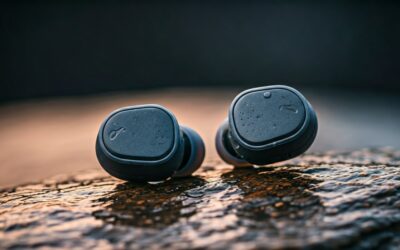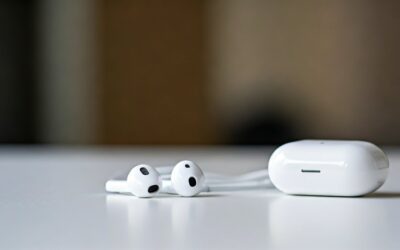
If you are currently experiencing the stinging pain or muffled hearing of an ear infection, the short answer to can i wear headphones with an ear infection is generally no, you should avoid wearing them until the infection has completely cleared. Inserting earbuds or covering your ears with heavy cushions traps moisture and heat, creating a “greenhouse effect” that allows bacteria to thrive and potentially worsens the inflammation.
Why Wearing Headphones With an Ear Infection is Risky
When you ask, “is it bad to wear headphones with an ear infection?” medical professionals point to several physiological factors. The ear canal needs airflow to maintain a healthy pH balance and keep the skin dry. By blocking this canal, you create an environment that actively works against your body’s immune response.
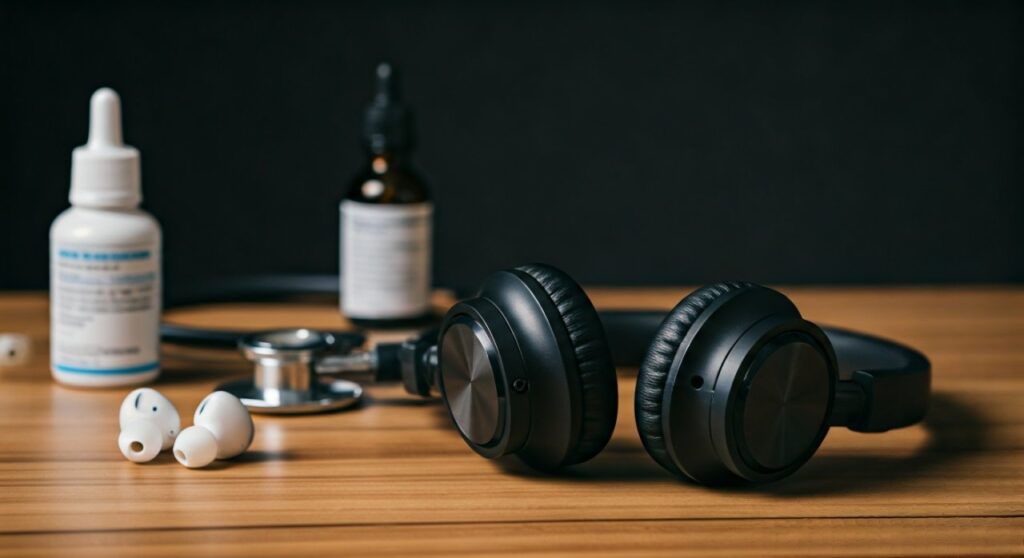
The “Greenhouse Effect” and Bacterial Growth
Your ear canal is naturally warm. When you insert an earbud or seal the ear with an over-ear cup, the temperature inside the canal rises by several degrees within minutes.
- Moisture Trapping: Perspiration and natural humidity cannot escape.
- Pathogen Proliferation: Bacteria such as Staphylococcus aureus or fungi like Aspergillus thrive in dark, damp, and warm environments.
- Delayed Healing: Constant moisture softens the skin (maceration), making it easier for the infection to spread deeper into the tissue.
Pressure and Physical Irritation
Infections like Otitis Media (middle ear infection) often involve a buildup of fluid behind the eardrum. This creates significant internal pressure.
- Vacuum Effect: When you pull earbuds out, it creates a brief vacuum that can pull on an already inflamed eardrum, causing sharp pain.
- Friction: The physical contact of an earbud against an inflamed ear canal (common in Otitis Externa or Swimmer’s Ear) causes micro-abrasions that lead to secondary infections.
Cross-Contamination and Biofilms
If you continue to use headphones if you have an ear infection, your device becomes a carrier for the pathogen.
- Biofilms: Bacteria form a protective layer called a biofilm on silicone ear tips and foam cushions.
- Re-infection: Even after your symptoms subside, putting those same uncleaned headphones back on can re-introduce the bacteria, leading to a “rebound” infection.
Key Takeaways: Ear Health vs. Audio Habits
| Feature | Earbuds (In-Ear) | Over-Ear Headphones | Bone Conduction |
|---|---|---|---|
| Risk Level | Extremely High | Moderate to High | Low |
| Reason | Direct contact with infection site. | Traps heat and moisture. | Sits on the cheekbone; leaves canal open. |
| Recommendation | Strictly Avoid | Avoid during acute phase. | Best alternative if audio is necessary. |
| Cleaning Need | Sterilize with 70% Isopropyl. | Wipe down leather/mesh pads. | Wipe frame after use. |
Understanding Different Types of Ear Infections
Whether it is okay to wear headphones with an ear infection often depends on where the infection is located. However, caution is always the best approach.
Otitis Externa (Swimmer’s Ear)
This is an infection of the outer ear canal. It is often characterized by redness, swelling, and pain when the outer ear is touched or pulled.
- The Verdict: Do not wear any headphones. Even over-ear models can press on the outer ear (pinna), causing intense pain and preventing the canal from “breathing.”
Otitis Media (Middle Ear Infection)
This occurs behind the eardrum and is common after a cold or flu. While the canal itself might not be infected, the pressure is internal.
- The Verdict: While it might be less painful to wear over-ear headphones, the pressure changes caused by the speakers can cause discomfort. It is still is it okay to wear headphones with an ear infection of the middle ear? Most audiologists say it’s better to use external speakers.
Otomycosis (Fungal Infection)
Fungal infections are notoriously difficult to clear and are exacerbated by the lack of airflow.
- The Verdict: Using headphones with a fungal infection is highly discouraged. Fungi love the damp, dark environment provided by earphone seals.
Step-by-Step Guide: How to Safely Manage Audio During an Infection
If you absolutely must listen to audio—perhaps for work or a long-distance flight—follow this safety protocol to minimize damage.
Step 1: Switch to External Speakers
The safest way to enjoy audio is to bypass the ears entirely. Use your smartphone speakers, a Bluetooth speaker, or laptop audio. This allows your ears to remain open to the air, which is the most critical factor in recovery.
Step 2: Consider Bone Conduction Technology
Brands like Shokz produce bone conduction headphones. These do not go inside or over the ear canal. Instead, they sit on your cheekbones and transmit sound through vibrations to the inner ear.
- Benefit: They leave the ear canal completely unobstructed.
- Precaution: Ensure the “hooks” do not press against any swollen areas behind or in front of the ear.
Step 3: Lower the Volume
Infections can cause temporary “muffled” hearing. You might feel the urge to turn the volume up. Do not do this.
- Inflamed ears are more susceptible to Noise-Induced Hearing Loss (NIHL).
- Keep the volume below 60% to protect your auditory nerve while it is in a sensitive state.
Step 4: Limit Usage Time
If you must use over-ear headphones, limit use to 15 minutes at a time. Every 15 minutes, remove them for at least 30 minutes to allow the ear canal temperature to normalize.
Expert Tips for Cleaning Your Gear After an Infection
Once your doctor gives you the “all clear,” you cannot simply go back to your old routine. You must decontaminate your hardware.
- Discard Disposable Tips: If you use memory foam tips (like Comply Foam), throw them away. They are porous and impossible to fully sterilize.
- Sanitize Silicone: Remove silicone tips and soak them in a mixture of warm water and dish soap, followed by a wipe-down with 70% Isopropyl Alcohol.
- UV-C Sanitization: If you have a UV-C light sanitizer (like those used for phones), run your earbuds through a cycle to kill 99.9% of surface bacteria.
- Wipe the Drivers: Use a lightly dampened cloth with alcohol to wipe the mesh grille of the earbuds. Be careful not to let liquid enter the driver.
When to See a Doctor
While wondering can you use headphones if you have an ear infection, you should also monitor your symptoms for signs of a more serious condition. Seek medical attention if you experience:
- Fluid Drainage: Any yellow, green, or bloody discharge from the ear.
- Severe Pain: Pain that prevents sleep or does not respond to over-the-counter relievers.
- Hearing Loss: Sudden or profound muffled hearing that does not improve when you “pop” your ears.
- Dizziness: Vertigo or a loss of balance, which could indicate a labyrinthitis or inner ear involvement.
How Long Should You Wait to Wear Headphones?
Most bacterial ear infections clear up within 7 to 10 days with proper treatment (like antibiotic drops).
- The 48-Hour Rule: Wait at least 48 hours after all symptoms (pain, itching, and discharge) have completely vanished before attempting to wear headphones.
- The Comfort Test: Gently tug on your earlobe. If there is any lingering discomfort, your ear canal is still inflamed, and you should wait another day.
Frequently Asked Questions (FAQs)
Can I wear headphones if I only have an infection in one ear?
It is still risky. Bacteria can easily transfer from your hands to the “healthy” side of the headphones, and then to your uninfected ear. If you must, only use one earbud in the healthy ear and keep the infected ear completely open.
Is it okay to use noise-canceling headphones during an ear infection?
Noise-canceling headphones (especially over-ear models) create a very tight seal to block out external sound. This seal is excellent for audio quality but terrible for an ear infection, as it completely stops air circulation. It is better to avoid them until you are healed.
Do earbuds cause ear infections?
They can. Frequent use of earbuds can push earwax deeper into the canal (impaction), which traps bacteria. Additionally, dirty earbuds introduce new pathogens into the ear. Regularly cleaning your earbuds is the best preventative measure.
Can I wear “open-back” headphones with an infection?
Open-back headphones are slightly better than “closed-back” models because they allow some air to move through the earcups. However, they still trap a layer of heat against the side of your head. They are a “better” bad option, but still not recommended during the acute phase of an infection.
What is the safest way to listen to music with an ear infection?
The absolute safest method is using external speakers at a moderate volume. This ensures zero physical contact with the infected area and allows the ear canal to remain dry and aerated, which is essential for a fast recovery.