Understanding the Myth: Does Wearing Headphones Cause Your Hair to Grow Unevenly?
The short answer is no, wearing headphones does not cause your hair to grow unevenly. Hair growth happens deep within the hair follicles located beneath the skin’s surface, where external pressure from a headband cannot alter the biological growth rate.
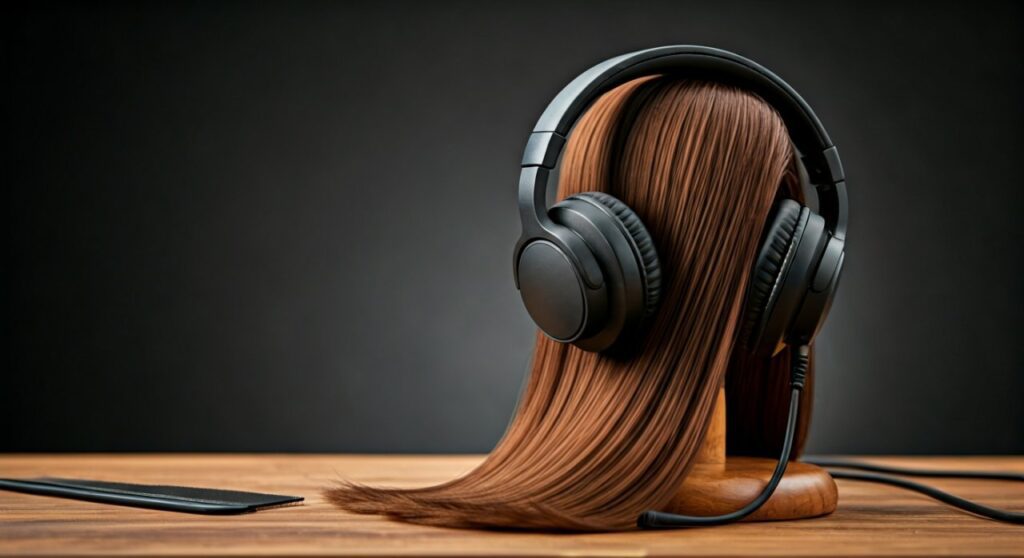
However, while your hair continues to grow at its normal pace, headphones can cause physical breakage, flattening, or a condition called traction alopecia. These issues can create the illusion of uneven hair or lead to actual thinning in specific areas where the headset rests.
In this guide, we will explore the science of hair growth, how to distinguish between a temporary “headphone dent” and actual damage, and expert-backed steps to keep your mane looking perfect while enjoying your favorite audio.
Key Takeaways: Hair Growth and Audio Gear
If you are in a hurry, here are the essential facts about how headsets interact with your hair and scalp health:
- Biological Growth: Headphones have zero impact on the speed or uniformity of hair growth from the follicle.
- The “Dent” is Temporary: The “headphone dent” is a compression of the hair shaft and skin, not a change in bone or growth patterns.
- Mechanical Damage: Friction from tight headbands can cause hair breakage, making certain sections look shorter or “uneven.”
- Traction Alopecia: Constant, heavy pressure can lead to localized hair loss if the headset is too heavy or worn for 10+ hours daily.
- Prevention is Easy: Using velour pads, silk covers, or alternating your wearing style can eliminate almost all risks.
The Biological Reality: How Hair Actually Grows
To understand why does wearing headphones cause your hair to grow unevenly is a myth, we must look at the anatomy of the scalp. Hair growth is governed by the dermal papilla, which receives nutrients from the bloodstream.
External factors like a plastic or metal headband sit on the cuticle (the outer layer) of the hair. They do not reach the root or the blood supply. Therefore, the frequency at which you wear headphones cannot “tell” your follicles to slow down or speed up.
Most people notice “unevenness” because of hair matting or static electricity. When hair is compressed for hours, it loses its natural volume, making it appear thinner in the “trough” created by the headset.
Difference Between Hair Growth and “Headphone Dents”
It is common for gamers and office workers to see a literal indentation in their hair after a long session. This leads to the fear that the skull or the hair growth is permanently altered.
Headphone dents occur because the weight of the device compresses the keratin layers of the hair. This is similar to how a hat leaves a “hat hair” ring. The skin on the scalp also has a layer of fat and tissue that can be temporarily displaced, but it typically returns to normal within 30 to 60 minutes.
If you see what looks like uneven growth, it is likely structural damage. If the headband is rough, it snags individual strands. Over months, these broken strands create a “fuzzy” or shorter patch that mimics uneven growth.
Mechanical Damage: How Headphones Actually Affect Your Locks
While growth isn’t affected, the integrity of the hair definitely is. There are three main ways headphones cause visible issues that people mistake for uneven growth:
- Friction and Snagging: Every time you shift your headset, the material rubs against the hair cuticle. This leads to split ends and mid-shaft breakage.
- Traction Alopecia: This is a form of gradual hair loss caused by pulling. If your headphones are extremely tight, they can pull on the roots near the ears or the crown.
- Heat and Sweat: Closed-back headphones trap heat. This can lead to seborrheic dermatitis or clogged pores, which occasionally impacts the health of the hair in that specific zone.
Step-by-Step Guide: How to Wear Headphones Without Damaging Your Hair
If you are worried about your hair looking uneven or thinning, follow these professional steps to mitigate the physical impact of your gear.
Step 1: Adjust the Tension
Most users wear their headsets far too tight. Expand the headband so that the weight is distributed mostly on the ear cups rather than the top of your head. You should be able to slide two fingers between the headband and your scalp.
Step 2: Use a “Buffer” Material
If your headset has a rubber or cheap plastic band, it will grab your hair. Invest in a knitted headband cover or a velcro cushion. Materials like silk, satin, or high-quality foam reduce the friction that causes breakage.
Step 3: Change Your Hairstyle
Avoid wearing a “top-knot” or high ponytail under your headphones. This creates a “double-pull” effect on the follicle. Instead, wear your hair down or in a low bun to let the headband rest on a flat surface.
Step 4: Moisturize Your Scalp
Dry hair breaks much faster than hydrated hair. Use a leave-in conditioner or a light hair oil (like argan or jojoba) to strengthen the hair shafts that come into contact with the headset.
Step 5: The “Post-Session” Reset
After taking your headphones off, massage your scalp for 60 seconds. This stimulates blood flow and helps the skin and hair return to their natural positions, eliminating the “dent” faster.
Comparing Headphone Styles and Their Impact on Scalp Health
Not all audio equipment is created equal. The design of your device determines how much stress is placed on your hair.
| Headphone Type | Risk of “Uneven” Appearance | Primary Cause of Damage | Recommended Fix |
|---|---|---|---|
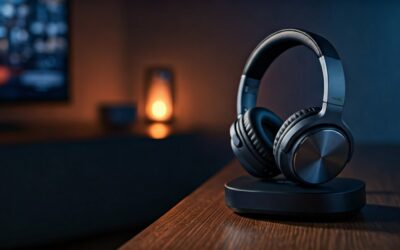
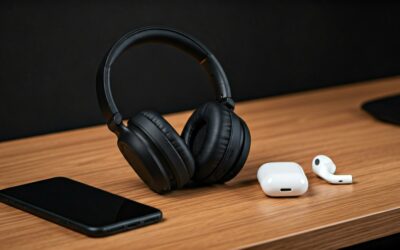
| Over-Ear (Studio) | Medium | Compression & Dents | Use suspension headbands |
| On-Ear (Portable) | Low | Pulling near the ears | Ensure soft earpads |
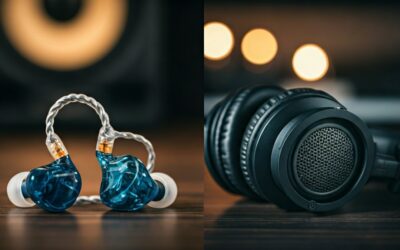
| In-Ear (Buds) | Zero | None (No scalp contact) | Best for preserving hairstyles |
| Gaming Headsets | High | Heavy weight & Friction | Add a cooling gel or silk wrap |
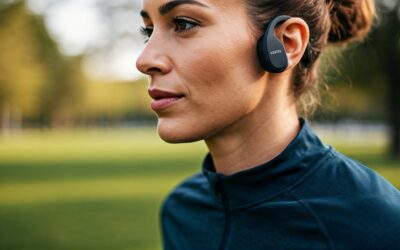
| Bone Conduction | Low | Minor tension behind ears | Keep hair loose |
Expert Tips to Prevent Traction Alopecia from Heavy Headsets
As an expert in both tech and ergonomics, I have seen many users suffer from “thinning strips” across their crown. This is often Traction Alopecia. To avoid this, consider the weight of the device.
Modern “Audiophile” headphones can weigh over 500 grams. Constant pressure on the scalp can restrict local micro-circulation. If you must use heavy gear, try the “20-20-20” rule for hair: Every 20 minutes, shift the headband slightly forward or backward by 20 millimeters to ensure no single patch of hair is under constant pressure.
Additionally, look for Suspension Headbands. These use a flexible strap of fabric to “float” the heavy frame above your head. This design is the gold standard for preventing hair breakage and discomfort.
Hygiene and Scalp Health: The Hidden Culprit of Hair Issues
Sometimes, what looks like uneven hair growth is actually a scalp condition triggered by headphones. If you wear headphones while exercising or in a hot room, sweat builds up under the pads and band.
This creates a breeding ground for bacteria and fungi. Conditions like folliculitis (inflamed hair follicles) can cause temporary hair loss in small patches. Always wipe down your headset with isopropyl alcohol wipes once a week and allow the padding to dry completely before use.
Using velour ear pads is often better for hair health than synthetic leather (protein leather), as velour allows the skin to breathe, reducing the sweat-induced weakening of the hair roots.
Conclusion
To reiterate, does wearing headphones cause your hair to grow unevenly? Biologically, the answer is a firm no. Your DNA and internal health dictate your growth rate, not your Bose or Sony headset.
However, the aesthetic of your hair can certainly be compromised by friction, compression, and tension. By choosing lightweight gear, using protective covers, and maintaining scalp hygiene, you can enjoy high-fidelity audio without sacrificing the health of your hair.
Frequently Asked Questions (FAQs)
Can a headphone dent become permanent?
No, a headphone dent cannot become permanent on your skull. The “dent” is merely a temporary displacement of soft tissue and hair oils. It usually disappears within an hour of removing the headset or after a quick shower.
Why does my hair feel sore after wearing headphones?
This is often “scalp sensitivity” or allodynia. It happens when the nerves around the hair follicles are compressed for too long. It is a sign that your headset is too tight or too heavy, but it does not mean your hair is stopping its growth.
Are earbuds better for hair health than headphones?
Yes, In-Ear Monitors (IEMs) or earbuds are the best option for hair health because they have zero contact with the scalp or the hair shafts. They completely eliminate the risk of “headphone hair” or mechanical breakage.
Does wearing a hat under headphones help?
Actually, wearing a hat can sometimes increase the risk of breakage due to added friction between the hat and the hair. However, a silk or satin lined beanie can act as a protective barrier that prevents the headset from snagging your hair.
Can headphones cause baldness?
Only in extreme cases of Traction Alopecia. If you wear a very heavy, tight headset for 12-15 hours a day without breaks, the constant pulling can damage the follicle permanently. For the average user, this is extremely unlikely.