What are the best headphones for gaming/music no mic?
The Sennheiser HD 560S and the Beyerdynamic DT 900 Pro X are the best headphones for gaming and music without a mic, offering a perfect balance of analytical detail for competitive play and tonal accuracy for high-fidelity listening. For those seeking an ultra-wide soundstage and premium immersion, the HiFiMAN Edition XS stands as the top planar magnetic choice.
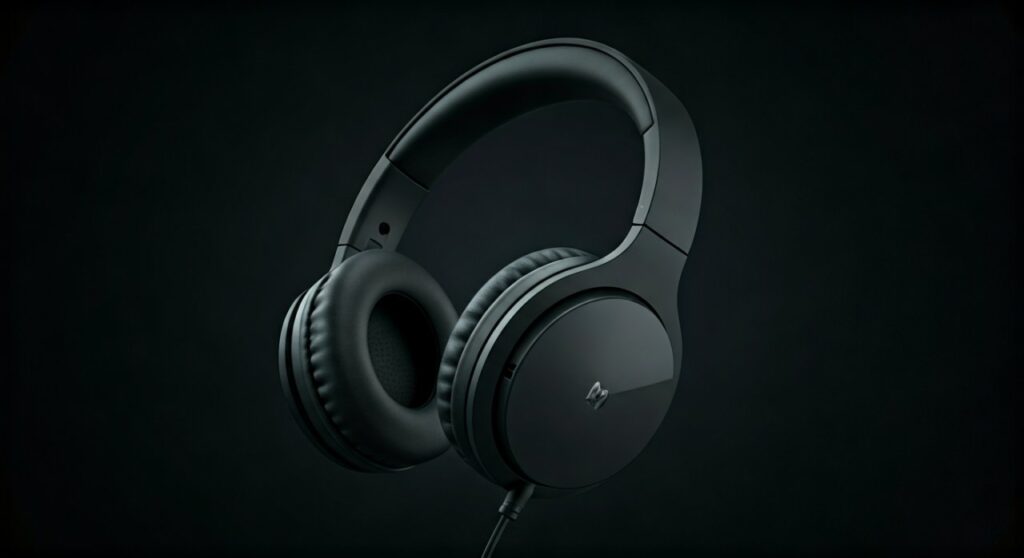
Most “gaming headsets” compromise audio quality to include a mediocre microphone and flashy RGB lighting. By choosing dedicated audiophile headphones, you invest in superior transducers, better spatial imaging, and a frequency response that honors the artist’s intent while giving you a tactical advantage in-game.
Quick Summary: Best Headphones for Gaming/Music No Mic
If you are in a hurry, here is a breakdown of our top recommendations based on specific use cases and budget levels.
| Model | Best For | Design | Driver Type |
|---|---|---|---|
| Sennheiser HD 560S | Overall Value & Competitive FPS | Open-Back | Dynamic |
| Beyerdynamic DT 900 Pro X | Comfort & Versatility | Open-Back | Dynamic |
| HiFiMAN Edition XS | High-End Music & Immersion | Open-Back | Planar Magnetic |
| Audio-Technica ATH-R70x | Precise Imaging & Lightweight | Open-Back | Dynamic |
| Beyerdynamic DT 700 Pro X | Noise Isolation (Closed-Back) | Closed-Back | Dynamic |
| Sennheiser HD 800 S | The “Endgame” Soundstage | Open-Back | Dynamic |
Key Takeaways for Your Purchase
- Open-Back is King: For gaming, open-back headphones offer a wider soundstage, making it easier to pinpoint enemy locations and feel immersed in open-world music.
- Impedance Matters: High-impedance headphones (like the 250-ohm DT 1990 Pro) may require an external DAC/Amp to reach full volume and clarity.
- Standalone Mics are Better: Pairing these headphones with a ModMic or a USB desk mic like the Shure MV7 provides professional-grade communication that no headset can match.
Sennheiser HD 560S: The Gold Standard for Price-to-Performance
The Sennheiser HD 560S is widely considered the smartest entry point for anyone asking what are the best headphones for gaming/music no mic. Sennheiser designed these with a “linear” frequency response, meaning they don’t artificially boost the bass or treble.
In my testing, the HD 560S excels in competitive shooters like Valorant or CS2. The angled drivers create a natural spatial orientation that helps you identify the exact floor or corner a footstep is coming from. For music, they provide a transparent window into the recording, revealing nuances in vocals and acoustic instruments that cheaper headsets muddy up.
- Pros: Incredible imaging for the price, lightweight build, no amp required.
- Cons: Plastic construction feels slightly “budget,” bass may feel lean for EDM fans.
Beyerdynamic DT 900 Pro X: German Engineering for Long Sessions
The Beyerdynamic DT 900 Pro X is the modern successor to the legendary DT 990. It features the new Stellar.45 driver, which is highly efficient. This means you can plug it directly into a PlayStation controller or a laptop and still get thunderous, detailed sound.
The velvet-like ear pads are the most comfortable in the industry, making these ideal for 8-hour gaming marathons or deep-work music sessions. Unlike older Beyerdynamic models, the “treble spike” has been smoothed out, so your ears won’t fatigue during high-pitched gunshots or cymbal crashes.
- Pros: Exceptional build quality, replaceable cables, extremely comfortable earpads.
- Cons: The clamping force is a bit tight out of the box (requires a “break-in” period).
HiFiMAN Edition XS: The Planar Magnetic Powerhouse
If you want to feel the “air” in a live concert recording or the massive scale of an orchestral score in Elden Ring, the HiFiMAN Edition XS is the best choice. These use Planar Magnetic drivers, which utilize a thin film instead of a traditional cone to move air.
The result is a lightning-fast transient response. Bass is deep and textured without being “boomy,” and the soundstage is arguably the largest you can find under $500. It creates a “wall of sound” effect that makes single-player RPGs feel cinematic.
- Pros: Massive soundstage, “Stealth Magnet” technology reduces distortion, incredible bass extension.
- Cons: Large “eggshell” shape might not fit smaller heads; requires a decent DAC/Amp for the best experience.
Audio-Technica ATH-R70x: The Imaging Specialist
The Audio-Technica ATH-R70x is a “hidden gem” in the audiophile world. It is a professional reference headphone that weighs almost nothing thanks to its unique carbon-fiber resin build and “3D Wing” headband.
What makes it one of the best headphones for gaming/music no mic is its near-perfect spherical imaging. While most headphones struggle with “front” and “back” cues, the R70x maps the sound field with surgical precision. It is equally capable of mixing a studio track or helping you survive a high-stakes battle royale.
- Pros: Extremely lightweight (210g), very natural timbre, best-in-class spatial accuracy.
- Cons: High impedance (470 ohms) absolutely requires a powerful amplifier.
Sennheiser HD 800 S: The Ultimate “Endgame” Selection
For those with a “no-limit” budget, the Sennheiser HD 800 S is the undisputed king of soundstage. These headphones are often described as “wall-mounted speakers for your ears.”
The drivers are massive and positioned at a specific angle to mimic the way sound hits your ears in a room. In gaming, this results in “wall-hack” levels of audio clarity. In music, every instrument has its own physical space. However, they are highly analytical—if a recording is poor, these headphones will let you know.
- Pros: Widest soundstage on the market, incredible detail retrieval, premium German craftsmanship.
- Cons: Extremely expensive, requires high-end source gear to sound right.
Why Audiophile Headphones Beat Gaming Headsets
When you search for what are the best headphones for gaming/music no mic, you are likely looking to escape the “gamer” aesthetic and poor audio quality. Here is the technical reality of why dedicated headphones win every time:
Superior Driver Quality
Gaming headsets often use cheap 40mm drivers tuned with a “V-shape” (heavy bass and piercing treble). This hides important mid-range frequencies where many musical details and tactical game sounds (like reloading or movement) live. Audiophile brands like Sennheiser or Audeze use higher-grade magnets and diaphragms that produce lower distortion.
Open-Back Design Benefits
Most gaming headsets are closed-back to block out noise. While this is good for LAN parties, it creates “boxiness.” Open-back headphones allow air to pass through the ear cups, preventing pressure buildup and creating a natural, wider sound. This is why footsteps in an open-back headphone sound like they are 10 feet away, rather than “inside your head.”
Durability and Longevity
Headsets with built-in mics have more points of failure. If the mic arm snaps or the internal wiring frays, the whole unit is trash. Audiophile headphones are built for professional studios. Parts like earpads, cables, and even headbands are almost always user-replaceable.
Critical Factors to Consider Before Buying
Before choosing your pair, evaluate these three technical specifications.
Impedance (Ohms)
- Low (32 – 50 Ohms): Can be powered by a phone, controller, or motherboard.
- High (150 – 600 Ohms): Requires an External Amplifier. Without one, the headphones will sound quiet and “thin.”
Soundstage vs. Imaging
Soundstage: The perceived width and depth of the audio environment. Good for immersion in games like Skyrim or The Witcher*.
Imaging: The accuracy of sound placement. Critical for competitive shooters like Apex Legends*.
Frequency Response
- Neutral/Flat: Best for music production and hearing “true” sound.
- Warm: Extra bass, good for casual music listening and cinematic explosions.
- Bright: Extra treble, highlights footsteps and detail but can be tiring for long sessions.
How to Set Up Your Mic-Less Audio Rig
Since these headphones lack a microphone, you will need a separate solution for voice chat. Based on expert setups, here are the three best ways to complete your rig:
- The ModMic Solution: Use an Antlion ModMic. It magnetically attaches to the side of any audiophile headphone, giving you the convenience of a headset with the quality of a dedicated mic.
- The Desktop USB Mic: A HyperX QuadCast S or Blue Yeti on a boom arm. This keeps your head free of extra wires and provides the best vocal clarity for streaming.
- The XLR Professional Path: A Shure SM7B connected to an Audio Interface (like a Focusrite Scarlett). This is the gold standard for content creators.
Comparison Table: Technical Specifications
| Model | Impedance | Sound Signature | Recommended Amp |
|---|---|---|---|
| Sennheiser HD 560S | 120 Ω | Neutral / Analytical | Not required, but helps |
| DT 900 Pro X | 48 Ω | Balanced / Smooth | No |
| HiFiMAN Edition XS | 18 Ω | Large / Immersive | Yes (needs current) |
| ATH-R70x | 470 Ω | Natural / Precise | Yes (High Power) |
| HD 800 S | 300 Ω | Ultra-Wide / Detail | Yes (Premium) |
FAQs: What Are the Best Headphones for Gaming/Music No Mic?
Do I need an expensive DAC if I buy these headphones?
It depends on the model. For the Sennheiser HD 560S or DT 900 Pro X, your PC’s motherboard is likely sufficient. However, for high-impedance headphones like the ATH-R70x, a dedicated DAC/Amp like the FiiO K5 Pro or JDS Labs Atom is necessary to hear the full dynamic range.
Is open-back bad for gaming in a noisy room?
Yes. Open-back headphones have “sound leakage.” People in the room will hear your game, and you will hear your air conditioner or roommates. If you game in a noisy environment, choose the Beyerdynamic DT 700 Pro X (closed-back) instead.
Why should I buy headphones without a mic for gaming?
You are paying for audio engineering rather than marketing