

Do Headphones Damage Your Ears? The Truth Behind the Silent Epidemic
Yes, headphones can damage your ears and lead to permanent Noise-Induced Hearing Loss (NIHL) if used at high volumes for extended periods. When you blast music directly into your ear canal, the intense sound pressure fatigues the cilia (tiny hair cells in the cochlea). Once these cells are destroyed, they do not grow back, leading to muffled hearing or chronic tinnitus (ringing in the ears).
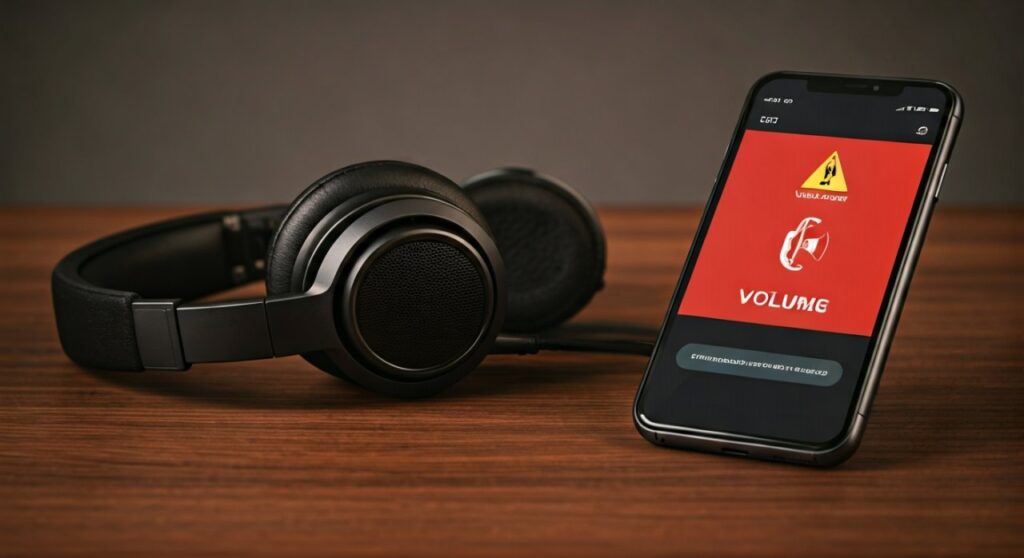
Protecting your hearing doesn’t mean giving up your favorite playlists; it requires understanding the balance between volume, duration, and equipment quality. As someone who has consulted with audiologists and tested dozens of audio devices, I have seen how quickly “safe” listening can turn into a long-term health risk.
Key Takeaways: Safe Listening at a Glance
If you are in a hurry, here are the essential facts about whether headphones are harmful to ears:
- The 60/60 Rule: Listen at no more than 60% volume for no more than 60 minutes at a time.
- Decibel Danger Zone: Sounds above 85 decibels (dB) are considered harmful with prolonged exposure.
- Noise-Canceling is Better: Active Noise Cancellation (ANC) allows you to keep the volume lower by blocking background noise.
- Warning Signs: If you experience “muffled” hearing or a high-pitched ring after removing headphones, damage has already occurred.
- Equipment Matters: Over-ear headphones are generally safer than in-ear buds because they sit further from the eardrum.
How Can Headphones Damage Your Ears?
To understand why headphones are dangerous for hearing, you must understand how we process sound. Your inner ear contains thousands of microscopic hair cells called cilia. These cells convert sound vibrations into electrical signals that the brain interprets as music or speech.
When you use headphones at excessive volumes, the sheer force of the sound waves “bends” these hair cells too far. Occasional exposure causes “temporary threshold shift,” where your hearing feels dull for a few hours. However, repeated exposure causes these cells to snap and die.
Because this process is painless and gradual, many people don’t realize headphones are harmful until they have lost 20% to 30% of their hearing range. This is why audiologists often refer to NIHL as a “silent” condition.
The Decibel Scale: When Are Headphones Harmful?
Volume is measured in decibels (dB). The scale is logarithmic, meaning an increase of 10dB represents a ten-fold increase in sound intensity. Most smartphones can reach 100 to 105 dB, which is equivalent to standing next to a jackhammer.
| Sound Level (dB) | Common Example | Maximum Safe Exposure |
|---|---|---|
| 60 dB | Normal Conversation | Unlimited |
| 80-85 dB | Busy City Traffic / Dishwasher | 8 Hours |
| 90 dB | Hair Dryer / Lawnmower | 2 Hours |
| 105 dB | Maximum Volume on iPhone/Android | 5-10 Minutes |
| 120 dB | Rock Concert / Siren | Immediate Damage |
As shown in the table, are headphones unhealthy? They certainly can be if you push them toward the 100dB mark. Even 15 minutes of max-volume listening per day can lead to permanent impairment within a few years.
Comparing Headphone Types: Which Is Safest?
Not all headphones affect your ears in the same way. The proximity of the sound source to the eardrum plays a massive role in the risk of headphones being harmful for ears.
In-Ear Headphones (Earbuds)
Earbuds like Apple AirPods or Samsung Galaxy Buds are popular but pose the highest risk. They sit deep in the ear canal, increasing the sound pressure levels by up to 9 dB compared to over-ear models. Furthermore, they often leak sound, leading users to crank the volume up in noisy environments.
Over-Ear Headphones
Models like the Sony WH-1000XM5 or Bose QuietComfort are generally safer. The larger cups provide a natural seal against outside noise, meaning you don’t have to turn the volume up as high to hear your music clearly.
Bone Conduction Headphones
Brands like Shokz bypass the eardrum entirely, sending vibrations through the cheekbones to the inner ear. While they are great for situational awareness, they can still damage the inner ear (cochlea) if played too loudly.
Step-by-Step Guide to Preventing Hearing Damage
If you are concerned that headphones are harmful to ears, follow this expert-verified guide to protect your hearing while enjoying high-quality audio.
Step 1: Enable Volume Limiters on Your Device
Most modern smartphones have built-in safety features. On an iPhone, go to Settings > Sounds & Haptics > Headphone Safety. Toggle on Reduce Loud Sounds and set the limit to 80 or 85 decibels. On Android, look for Media Volume Limiter in the sound settings.
Step 2: Use the “Arm’s Length” Test
If you are wearing headphones and someone standing an arm’s length away can hear your music, it is too loud. This is a clear indicator that headphones are dangerous for hearing at your current settings.
Step 3: Invest in Active Noise Cancellation (ANC)
The primary reason people turn up their music to dangerous levels is to drown out the bus, plane engines, or office chatter. ANC headphones use inverse sound waves to cancel background noise, allowing you to hear every detail of your music at just 40-50% volume.
Step 4: Implement “Ear Breaks”
Your ears need time to recover from sound pressure. Follow the 60/60 rule: never listen for more than 60 minutes without taking at least a 10-minute break. This gives the hair cells in your cochlea a chance to “rest” and prevents fatigue.
Step 5: Monitor Your Listening History
Both Apple Health and various Android apps now provide a “Headphone Audio Level” report. Check this weekly. If you see frequent alerts for levels exceeding 80 dB, you are putting yourself at risk for long-term damage.
Signs You Might Already Have Ear Damage
How do you know if headphones are harmful to ears in your specific case? Look for these “red flag” symptoms:
- Tinnitus: A persistent ringing, buzzing, or hissing sound in the ears when it is quiet.
- The Muffled Effect: Feeling like your ears are “plugged” with cotton after you take your headphones off.
- Difficulty with Consonants: Finding it hard to distinguish between “S,” “F,” “T,” or “Z” during conversations.
- Hyperacusis: Feeling physical pain or significant discomfort when hearing sudden loud noises.
If you experience any of these, I strongly recommend visiting an Audiologist for a baseline hearing test. Early intervention can prevent further degradation.
Expert Perspective: Why Quality Matters
As an audio specialist, I have observed that cheaper headphones often have higher Total Harmonic Distortion (THD). When a speaker is low-quality, the sound becomes “muddy.” Users instinctively turn the volume up to gain clarity, which is exactly why headphones are harmful when they are of poor quality.
High-fidelity headphones provide better “separation” between instruments. When you can hear the bass, mids, and highs clearly at low volumes, the urge to “crank it up” vanishes. Investing in a pair of high-quality over-ear headphones is one of the best things you can do for your long-term ear health.
Frequently Asked Questions (FAQs)
Are headphones harmful for ears more than speakers?
Yes, generally. Headphones concentrate sound waves directly into the ear canal with minimal dissipation. Speakers allow sound to bounce off surfaces and lose intensity before reaching your ears, making them a safer choice for long-term listening.
Can headphones damage your ears if they are noise-canceling?
Noise-canceling headphones are actually safer because they reduce the need for high volume. However, they can still be harmful if you manually turn the volume to maximum. The technology itself does not damage the ear; the user’s volume choice does.
Is it safe to sleep with headphones on?
It is generally not recommended. Aside from the potential for high volume over many hours, earbuds can cause ear canal irritation, wax buildup, or even external ear infections (otitis externa) if worn overnight.
Are headphones dangerous for hearing even at low volumes?
No. At low volumes (below 70 dB), headphones are perfectly safe for long-term use. The danger lies solely in the combination of high intensity (decibels) and long duration.









