Is it Illegal to Drive with Headphones in Colorado? The Direct Answer
Yes, it is illegal to drive with headphones in Colorado if they are worn in both ears. Under Colorado Revised Statute (C.R.S.) 42-4-1411, any person operating a motor vehicle is prohibited from wearing earphones that cover or are inserted into both ears. The law is designed to ensure that drivers maintain full situational awareness, allowing them to hear sirens, car horns, and emergency warnings.
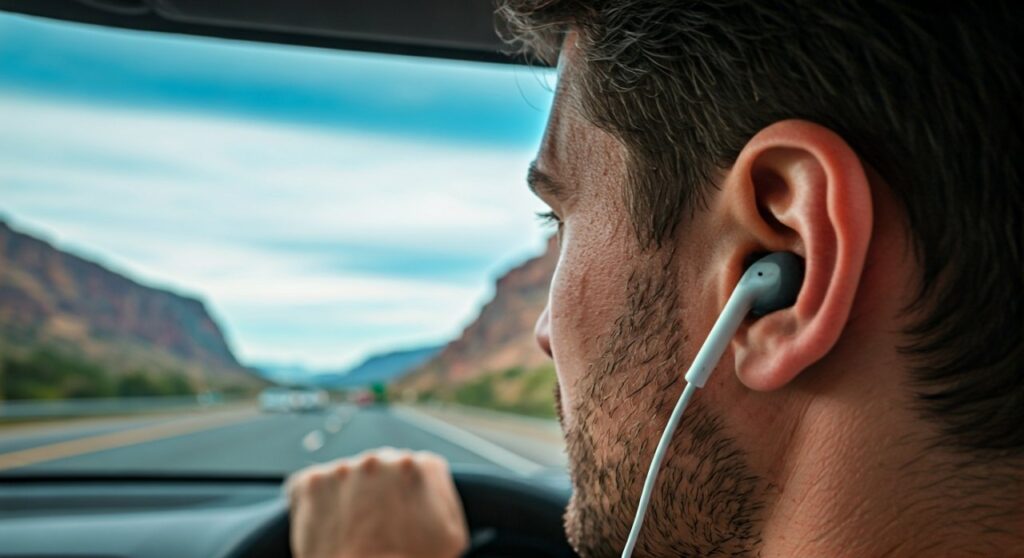
However, Colorado law provides a specific exception: you may wear a headset or earphone in only one ear. This allows drivers to use hands-free communication devices or GPS navigation via a single earpiece while keeping the other ear open to the environment.
Key Takeaways: Colorado Headphone Laws at a Glance
If you are in a rush, here is the essential information regarding the question: is it illegal to drive with headphones in Colorado?
| Feature | Legal Status | Notes |
|---|---|---|
| Both Ears Covered | Illegal | Violates C.R.S. 42-4-1411. |
| Single Earbud/Headset | Legal | Allowed for communication and navigation. |
| Hearing Aids | Legal | Explicitly permitted for those with hearing impairments. |
| Built-in Helmet Audio | Legal | Permitted as long as it doesn’t obstruct external sounds. |
| Penalty Type | Class B Infraction | Usually results in a fine and surcharges. |
| Points on License | 0 Points | Generally doesn’t add points, but affects insurance. |
Understanding Colorado Revised Statute 42-4-1411
To fully grasp the legal landscape, we must look at the specific language of the law. I have spent years analyzing traffic codes, and Colorado’s stance is stricter than many neighboring states. The statute explicitly states that “no person shall operate a motor vehicle while wearing earphones.”
The law defines earphones as any device which covers all or a portion of the ear or is inserted into the ear. This definition is broad enough to include:
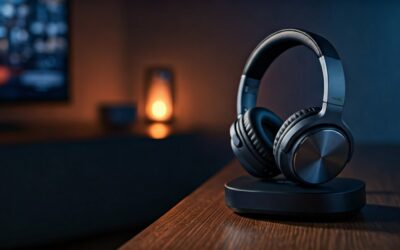
- Noise-canceling over-ear headphones (like Bose or Sony).
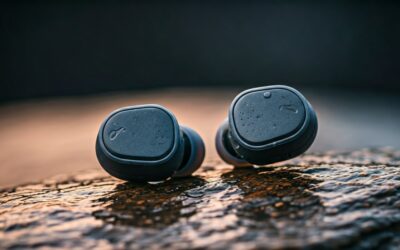
- Wireless earbuds (like Apple AirPods or Samsung Galaxy Buds).
- Wired “old school” earphones.
The primary goal of this legislation is auditory safety. When you are driving through busy intersections in Denver or navigating mountain passes like I-70, your ears provide critical data that your eyes might miss, such as a siren from a distant ambulance or the screech of tires from a vehicle in your blind spot.
The Exceptions: When You CAN Wear Headgear
While the general rule is “no headphones,” there are three major exceptions where the law allows you to have a device in or on your ear:
The Single-Ear Rule
You are legally permitted to use a headset or earpiece in one ear only. This is a common practice for rideshare drivers (Uber/Lyft) who need to hear GPS directions or professionals taking business calls. As long as one ear remains completely unobstructed, you are compliant with Colorado traffic law.
Hearing Aids and Medical Devices
The law is not intended to penalize those with disabilities. If you wear hearing aids or similar prosthetic devices to improve your natural hearing, you are exempt from the headphone prohibition. These devices are classified as medical necessities, not entertainment distractions.
Integrated Helmet Systems
Motorcyclists often use communication systems integrated into their helmets. Colorado law allows these, provided the speakers do not prevent the driver from hearing ambient traffic noise. If you are a biker, ensure your Bluetooth helmet kit isn’t set to a volume that creates a total sensory “blackout.”
Penalties and Fines for Driving with Headphones
If a Colorado State Patrol officer or local police officer pulls you over for wearing headphones in both ears, you aren’t just looking at a warning. This is classified as a Class B Traffic Infraction.
- Financial Cost: The base fine is typically around $15 to $100, but once you add mandatory court costs and state surcharges, the total “out-of-door” price of the ticket often exceeds $120.
- Driving Record: Unlike speeding or reckless driving, a violation of C.R.S. 42-4-1411 is usually a non-point offense. This means it won’t contribute to a license suspension.
- Insurance Implications: Even though there are no points, a traffic conviction appears on your Motor Vehicle Record (MVR). Insurance providers often view any “distracted driving” related infraction as an increased risk, which could lead to a premium hike at your next renewal.
Why is it Dangerous? The Expert Perspective on Auditory Masking
As a driver, you rely on a concept called auditory masking. This occurs when a loud or close sound (like music in your ears) prevents you from perceiving a vital environmental sound.
Based on safety data from the National Highway Traffic Safety Administration (NHTSA), auditory distractions contribute significantly to “looked-but-failed-to-see” accidents. When your brain is occupied with high-fidelity music or a podcast, your cognitive load increases, slowing your reaction time to visual stimuli.
Specific Risks Include:
- Emergency Vehicles: You may not hear a fire truck or police car until they are right behind you, delaying their response time and creating a collision risk.
- Mechanical Failures: Often, the first sign of a blown tire or a failing engine is a sound. Headphones mask these early warning signs.
- Cyclists and Pedestrians: In urban areas like Boulder or Fort Collins, cyclists often use bells or verbal cues. Wearing headphones makes you “deaf” to these vulnerable road users.
Better Alternatives for Colorado Drivers
If you find yourself asking is it illegal to drive with headphones in Colorado because your car’s stereo is broken or lacks connectivity, consider these legal and safer alternatives:
- Bluetooth FM Transmitters: For older cars, these plug into the cigarette lighter and broadcast your phone’s audio over an unused FM radio station.
- Single Earbud Mode: Most modern wireless earbuds (like AirPods) allow you to use just the left or right bud while the other stays in the charging case.
- Auxiliary Cables: A simple $5 cable can connect your phone directly to the car’s audio system, providing high-quality sound through the vehicle speakers.
- Portable Bluetooth Speakers: If your car has no audio system at all, a small portable speaker placed in a cup holder is a legal way to listen to music while keeping both ears open.
Comparative Law: Colorado vs. Other States
It is helpful to know how Colorado compares to its neighbors, especially if you are planning a road trip.
| State | Law on Headphones |
|---|---|
| Colorado | Illegal (Both Ears) |
| Utah | Legal (No specific law, but “distracted driving” applies). |
| Arizona | Legal (Generally allowed except for school bus drivers). |
| Nebraska | Legal (No specific prohibition). |
| California | Illegal (Both Ears) (Similar to Colorado). |
How to Handle a Traffic Stop for Headphones
If you are pulled over in Colorado while wearing headphones, how you react can determine the outcome of the stop.
- Remove them immediately: As soon as you see the lights, take the headphones off and place them on the passenger seat.
- Be Honest but Brief: If the officer asks why you were wearing them, keep it simple. “I was using them for my GPS” is better than a long-winded excuse.
- Check for “One-Ear” Compliance: If you only had one earbud in and still got pulled over, politely mention that you were following the single-ear exception under C.R.S. 42-4-1411.
Frequently Asked Questions (FAQs)
Is it illegal to drive with AirPods in Colorado?
It is illegal to drive with AirPods in both ears. However, it is perfectly legal to drive with just one AirPod in use for calls or navigation.
Can I get a ticket for wearing noise-canceling headphones if the music is off?
Yes. The law prohibits wearing the earphones. It does not matter if they are turned on, turned off, or if you are listening to anything. The physical presence of the device in or over both ears is the violation.
Does this law apply to bicyclists in Colorado?
Colorado’s headphone laws primarily target “motor vehicles.” However, under local ordinances in cities like Denver or Aspen, bicyclists are often encouraged (and sometimes required) to keep ears clear for safety. Under the Colorado Safety Stop law, cyclists have different rules, but avoiding dual headphones is always recommended.
What is the fine for driving with headphones in Colorado?
The total cost is usually between $70 and $130 once you include the base fine (Class B infraction) and mandatory state surcharges.
Will wearing headphones affect my insurance if I’m in an accident?
Yes. If you are involved in a crash while wearing headphones in both ears, the opposing insurance company or legal counsel will likely use that fact to prove negligence. It could result in you being found “at fault” even if the other driver’s actions were questionable.