How to Build a DIY Outdoor Projector Screen: A Step-by-Step Guide
Creating your own do it yourself outdoor projector screen is the ultimate way to transform your backyard into a cinematic paradise without the high cost of retail alternatives. You can achieve professional-grade image quality by selecting the right surface materials, such as blackout cloth or spandex, and constructing a sturdy, portable frame using PVC pipe or lumber. This guide provides practical, field-tested methods to help you build a reliable setup that withstands outdoor conditions while providing the perfect viewing experience.
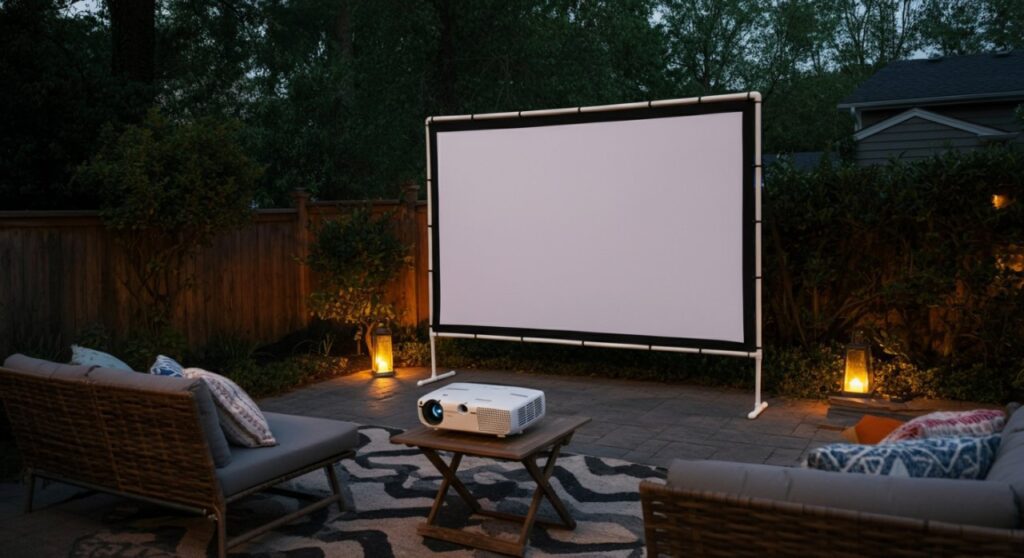
TL;DR: Quick Summary for Success
Building a do it yourself outdoor projector screen requires balancing tension, surface reflectivity, and frame stability.
- Best Budget Material: Blackout cloth (found at most fabric stores).
- Best Portable Frame: 1-inch PVC pipe with slip-fit connectors.
- Critical Tip: Ensure your surface is pulled tight to avoid image distortion; wrinkles are the enemy of high-quality projection.
- Key Requirement: Use a matte white surface for the best gain and color accuracy.
Choosing the Best Materials for Your Projector Screen
The secret to a great do it yourself projector setup is the screen material. Your goal is to maximize contrast and reflectivity while minimizing hotspotting (bright spots in the center of the image).
Comparison of Screen Surface Options
| Material | Best For | Pros | Cons |
|---|---|---|---|
| Blackout Cloth | High Contrast | Durable, thick, excellent image | Heavy, prone to wrinkles |
| Spandex | Stretch/Tension | Very smooth, wrinkle-free | Slightly translucent |
| Vinyl/PVC Tarp | Extreme Durability | Waterproof, cheap | Reflective glare, texture |
| White Sheet | Emergency/Low Cost | Free, accessible | Poor quality, transparent |
I personally recommend blackout cloth because it has a rubberized backing that prevents light from passing through, which is essential for maximizing the lumen output of your projector.
Step-by-Step: Building a PVC Pipe Frame
A PVC pipe frame is the most popular choice for a do it yourself outdoor projector screen because it is lightweight, inexpensive, and easy to dismantle for storage.
- Measure and Cut: Cut your 1-inch PVC pipes to match your desired screen dimensions (e.g., a standard 16:9 aspect ratio).
- Assemble the Skeleton: Use PVC elbows for the corners and T-joints for extra support in the middle of long spans.
- Attach the Screen: Lay your blackout cloth over the frame and use heavy-duty binder clips or bungee balls to secure the fabric.
- Tensioning: Start from the center of each side and work outward to ensure the fabric is pulled evenly, eliminating wrinkles.
Enhancing Image Quality and Contrast
Once your screen is built, the environment matters. To optimize your do it yourself projector performance, consider these expert tips:
- Light Pollution: Position your screen away from street lights or porch lights to maintain deep blacks.
- Screen Gain: If you have a low-lumen projector, ensure your surface is a bright, matte white.
- The Border Effect: Adding a black velvet tape or painted border around the edge of the screen significantly improves the perceived contrast of the image.
Maintenance and Storage Tips
Outdoor screens are exposed to humidity, dust, and temperature fluctuations. To extend the life of your setup:
- Cleaning: Use a damp, soft cloth to gently wipe away dust. Avoid harsh chemicals that could strip the reflective coating.
- Storage: Always remove the fabric from the frame if you live in an area with high humidity to prevent mold or fabric sagging.
- Structural Integrity: If using a lumber frame (wood), apply a high-quality outdoor paint or sealant to prevent warping over time.
Frequently Asked Questions (FAQs)
What is the best aspect ratio for a DIY projector screen?
For most modern content like movies and sports, a 16:9 aspect ratio is the industry standard and will provide the best fit without annoying black bars.
Can I use a painted wall instead of a fabric screen?
Yes, but you must use specialized projector screen paint (usually a specific shade of grey) to achieve proper gain and reflectivity. Standard flat white wall paint often results in a washed-out image.
How do I stop the screen from flapping in the wind?
Use ground stakes or sandbags attached to the base of your frame with heavy-duty bungee cords to keep the entire structure anchored during breezy nights.