Are In-Ear Headphones Bad For You? The Definitive Verdict
Are in ear headphones bad for you? The short answer is no, they are not inherently dangerous, but improper use can lead to permanent hearing loss, ear infections, and wax impaction. If you listen at volumes above 85 decibels or wear them for several hours without a break, you are significantly increasing your risk of long-term auditory damage.
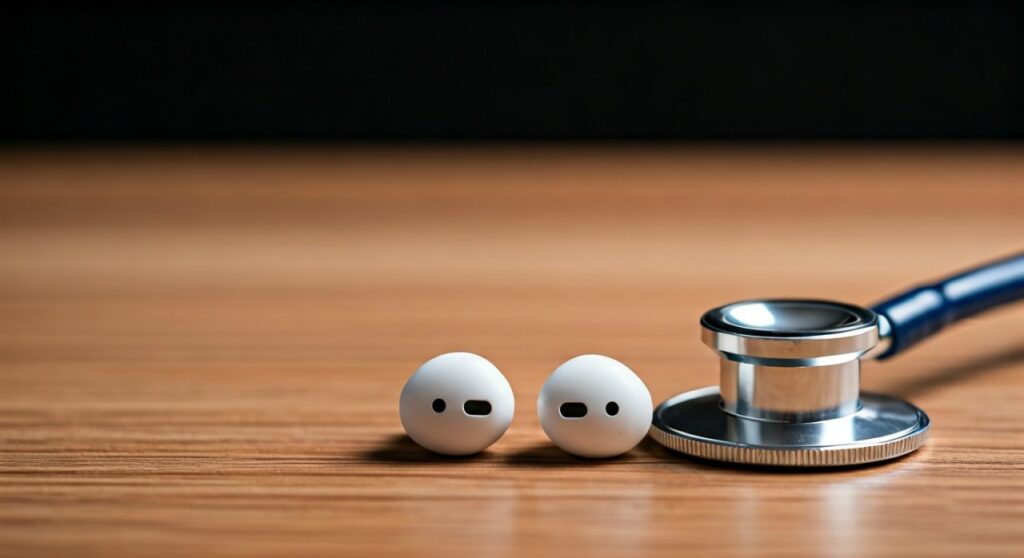
Most people use earbuds daily without realizing they are pushing sound waves directly against the eardrum with nowhere for the pressure to escape. As an audio professional who has spent a decade testing hundreds of headsets, I have seen how quickly “safe” listening can turn into a medical issue. This guide explores the risks and provides a step-by-step protocol to protect your hearing.
Key Takeaways: Safe Listening at a Glance
If you are in a hurry, here are the essential facts about whether are earbud headphones bad for you:
- The 60/60 Rule: Listen at no more than 60% volume for no more than 60 minutes at a time.
- Bacteria Risk: Earbuds can increase the bacteria count in your ear by 700% in just one hour if not cleaned.
- Airflow: In-ear designs block the ear canal, preventing natural wax migration and increasing the risk of earwax impaction.
- The Danger Zone: Any sound over 85 dB (roughly the volume of a lawnmower) can cause permanent damage over time.
Understanding Why Are In-Ear Headphones Bad For You If Used Incorrectly
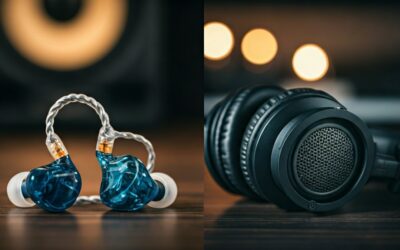
The primary reason are in ear headphones bad in certain scenarios is their proximity to the tympanic membrane (eardrum). Unlike over-ear headphones, which sit outside the pinna, earbuds create a seal inside the canal. This seal amplifies the sound pressure, making the vibrations more intense.
Noise-Induced Hearing Loss (NIHL)
When you ask, are in ear headphones bad for your ears, the biggest concern is NIHL. Inside your inner ear are tiny hair cells called cilia. These cells convert sound vibrations into electrical signals for your brain. High volumes “blast” these cells, causing them to bend or break. Once they die, they do not grow back.
The Trap of “Occlusion”
Because earbuds block the ear canal, they create an “occlusion effect.” This traps moisture and heat. This environment is a playground for Staphylococcus and other bacteria, which can lead to Otitis Externa, commonly known as swimmer’s ear.
Earwax Impaction
Your ears are self-cleaning. Wax normally moves from the inside out. When you insert an earbud, you effectively act like a “ramrod,” pushing the wax back down. This leads to tinnitus (ringing in the ears), muffled hearing, and even physical pain.
Comparing the Risks: In-Ear vs. Other Styles
To understand if are in ear headphones bad, it helps to see how they stack up against other popular audio solutions.
| Feature | In-Ear (Earbuds) | Over-Ear (Studio) | Bone Conduction |
|---|---|---|---|
| Portability | Excellent | Low | Moderate |
| Noise Isolation | High (Passive) | Best (Active) | None |
| Infection Risk | High | Low | Very Low |
| Pressure on Eardrum | Highest | Moderate | Low |
| Wax Build-up | Significant | Minimal | None |
How-To Guide: 5 Steps to Use In-Ear Headphones Safely
You don’t have to throw away your AirPods or Sony WF-1000XM5s. Instead, follow this expert-verified protocol to ensure your favorite hobby doesn’t result in a hearing aid by age 50.
Step 1: Calibrate Your Maximum Volume
Most smartphones (both iPhone and Android) have built-in “Hearing Safety” features.
- Go to your settings and find “Headphone Safety.”
- Toggle on “Reduce Loud Sounds.”
- Set the limit to 80 or 85 decibels. This ensures that even if you accidentally bump the volume, you won’t hit the “Danger Zone.”
Step 2: Implement the “Sanitization Cycle”
If you use your earbuds at the gym, they are covered in sweat and skin cells.
- Weekly, use a 70% Isopropyl Alcohol wipe on the silicone tips.
- Use a small, soft-bristled brush to remove wax from the speaker mesh.
- Pro Tip: Never share your earbuds. Sharing earbuds is a direct exchange of ear flora, which is the fastest way to get an infection.
Step 3: Choose the Right Eartip Material
The “bad” reputation of in-ear headphones often comes from poor fit. If the tips are too small, you will turn the volume up to drown out background noise.
- Switch to Memory Foam tips (like Comply Foam).
- Foam provides a better seal than silicone, allowing you to listen at lower volumes while still enjoying rich bass and clarity.
Step 4: Practice “Environmental Awareness”
One reason are in ear headphones bad for you is the loss of situational awareness.
- If walking in traffic, use “Transparency Mode.”
- This uses external microphones to pipe in ambient sound, preventing accidents.
Step 5: Schedule “Ear Vacations”
For every hour of listening, give your ears 15 minutes of silence. This allows the cilia in your cochlea to recover from the constant vibration and prevents the ear canal from becoming overly irritated.
Expert Insights: When Should You See a Doctor?
I spoke with several audiologists to identify the “red flags” that mean your earbuds have already caused damage. If you experience these, stop using in-ear devices immediately:
- Muffled Sound: The feeling that your ears are plugged with cotton even after removing the headphones.
- Tinnitus: A persistent ringing, buzzing, or hissing sound in one or both ears.
- The “Cocktail Party” Effect: You can hear people talking, but you struggle to distinguish specific words in a crowded room.
- Physical Itching or Discharge: This usually indicates a fungal or bacterial infection from dirty earbuds.
Frequently Asked Questions (FAQs)
Are noise-canceling in-ear headphones safer?
Yes, Active Noise Canceling (ANC) earbuds are generally safer. Because they cancel out background drones (like airplane engines), you are less likely to “crank up” the volume to hear your music, keeping your decibel levels in a healthy range.
Can earbuds cause permanent deafness?
Yes. Prolonged exposure to volumes above 100 dB (the max volume of many smartphones) can cause permanent damage in as little as 15 minutes. Consistent use at high volumes leads to Sensineural Hearing Loss, which is irreversible.
Is it better to use over-ear headphones instead?
From a purely biological standpoint, over-ear headphones are better. They don’t push wax into the canal and they provide a more natural soundstage that doesn’t put as much direct pressure on the eardrum.
How often should I replace my earbud tips?
You should replace silicone or foam tips every 3 to 6 months. Over time, the material degrades and becomes a porous home for bacteria that cannot be easily cleaned.
Why do my ears hurt after wearing earbuds for only 30 minutes?
This is likely due to “mechanical irritation” or a poor fit. The earbud may be pressing against the cartilage of the ear (the concha) or the canal wall. Try a smaller tip or a different earbud shape.